Category: On Leadership

  • Unity, Patience, and the Church: Lessons from Carlton’s Coaching Turmoil

    A recent article in The Age by Jake Niall (which may be behind a paywall) explores the inner tension at Carlton Football Club over the past three decades. The club was once defined by power and success then found itself in a cycle of division, instability, and impatience. Having had nine different coaches since 2000, multiple leadership changes at board level, and a struggle to perform on field, the article that Niall writes is a great case study in leadership, particularly for those in church ministry. 

    Obviously, professional sport and pastoral leadership operate in very different arenas, they do share some similarities, as I’ve written about before. Leadership struggles, the challenge of unity, the weight of expectations, and the temptation to look for a quick fix rather than embracing the slow and patient work of building something that will last. 

    A Divided House

    Denis Pagan, one of Carlton’s many coaches, described his tenure at the club as “an absolute nightmare”, primarily due to the fractured leadership: “Splinters everywhere… board level, administration level. The playing group was split.” It was a house divided against itself, as Niall writes. 

    Jesus’ words in Mark 3:25 speaks of this truism, “If a house is divided against itself, that house cannot stand.” This isn’t just true for football clubs; it’s true for churches as well. When leadership teams—pastors, elders, and deacons—are pulling in different directions, the whole church suffers.

    Paul understood this as well when he writes to the church in Ephesus to “make every effort to keep the unity of the Spirit through the bond of peace” (Ephesians 4:3). Unity isn’t automatic; it requires intentional effort. When a church operates more like a dysfunctional football club, where different factions vie for control, the focus shifts away from Jesus and his mission.

    Patience and the Slow Work of Discipleship

    Carlton’s downfall wasn’t just about division; it was also about impatience. The club became addicted to the idea of a quick fix—whether it was a high-profile coach, a big-name recruit, or a billionaire benefactor. As Malthouse put it, “This is going to take a slow burn to get right and it’s also going to take patience.” But patience was in short supply.

    Churches can fall into the same trap. We want fast results—spiritual growth that happens overnight, new programs that immediately bear fruit, discipleship that runs on a tight schedule. But faith formation, like rebuilding a football club, doesn’t work that way.

    Jesus consistently used farming illustrations to describe the Kingdom of God and the growth that happens over time. “First the stalk, then the head, then the full kernel in the head” (Mark 4:28). Paul says similarly about this patient approach to ministry, saying, “I planted the seed, Apollos watered it, but God has been making it grow” (1 Corinthians 3:6).

    Pastors, elders, and deacons need to embrace the long game of discipleship. There are no shortcuts. A healthy church isn’t built in a season or two—it takes years of faithful, consistent, and patient work.

    The Role of Leadership in the Church

    At Carlton, instability at the top had a ripple effect. Pagan noted that too many influential voices behind the scenes “wouldn’t have known a football from an Easter egg.” Leadership dysfunction filtered down to the players, resulting in a culture where no one was really set up for success.

    Churches can find themselves in a similar place. If the relationship between the pastoral team and church leadership is dysfunctional, the congregation feels its effects. Leadership in the church isn’t about control but about shepherding God’s people toward spiritual health. It reminds me of those words from 1 Peter 5:1-4, 

    “To the elders among you, I appeal as a fellow elder and a witness of Christ’s sufferings who also will share in the glory to be revealed: Be shepherds of God’s flock that is under your care, watching over them—not because you must, but because you are willing, as God wants you to be; not pursuing dishonest gain, but eager to serve; not lording it over those entrusted to you, but being examples to the flock. And when the Chief Shepherd appears, you will receive the crown of glory that will never fade away.”

    Ephesians 4:11-12 also describes the God-given role of leadership: 

    “Christ himself gave the apostles, the prophets, the evangelists, the pastors and teachers, to equip his people for works of service, so that the body of Christ may be built up.” 

    Leadership in the church exists for the nurturing of the people, not for power struggles or personal agendas.

    This is exactly how Jesus established his church. He didn’t appoint boardroom executives—he built his church on disciples who would faithfully shepherd his people. “On this rock I will build my church, and the gates of hell shall not prevail against it” (Matthew 16:18). The church belongs to Christ. It is grown through his Word, sustained by his Spirit, and led by those called to serve, not control.

    The Temptation of the Quick Fix

    Carlton’s desperation for success led to a flawed approach; new coaches, new strategies, new leadership—anything but patience and stability. As a result, they spent more time rebuilding than actually moving forward.

    We might be tempted to fall into the same mindset. A new program, a new vision statement, a new pastor—these things can feel like they’ll fix everything. But real transformation doesn’t come from quick changes, it comes from faithfulness.

    Jesus didn’t rush. He spent three years slowly forming twelve disciples, who still weren’t ready by the time of his crucifixion. Paul didn’t plant churches and expect them to mature overnight—he stayed, he invested, and when he moved on, he kept writing letters to guide them further.

    Carlton’s recent resurgence has come not from chasing instant success but from building long-term stability. Likewise, a healthy church doesn’t rely on the next big thing, it commits to the slow, faithful work of discipleship.

    A Different Kind of Leadership

    Carlton’s history serves as a warning. The church is not a football club, but if we aren’t careful, we can find ourselves running it like one.

    Instead, we are called to a different kind of leadership—a leadership rooted in unity, patience, and the long, steady work of building up the people of God. The ultimate model for this is Jesus, “who made himself nothing by taking the very nature of a servant” (Philippians 2:7).

    If we lead as Jesus led, if we remain united in purpose, and if we commit to the slow, faithful work of discipleship, we will see lasting transformation—not just in our churches, but in the lives of those we are called to shepherd.

    After all, the church isn’t chasing a premiership. We’re building something eternal.

  • Pastoral Ministry and AFL Coaching

    In a recent article in The Age, Caroline Wilson explores a cultural shift in AFL coaching, where many top candidates have turned down the West Coast senior coaching position to prioritise family and personal well-being. This made me reflect on the parallels between the pressures faced by AFL coaches and those in pastoral ministry. Though these two fields operate in completely different arenas, they do share a number of common challenges around leadership, sacrifice, and the weight of responsibility.

    The Weight of Leadership

    In both AFL coaching and pastoral ministry, the role of a leader carries significant weight. For coaches, this involves the strategic management of a team, guiding players toward success while being under the constant scrutiny of fans and media. For pastors, the responsibility lies in shepherding a congregation, guiding them in their faith, and providing wisdom during life’s challenging moments. The Bible speaks to this in Luke 12:48, where Jesus says, “From everyone who has been given much, much will be demanded.” This isn’t just about material wealth but applies equally to those entrusted with leadership—whether on the field or in the church. Leadership demands much, and with it comes the pressure to meet those demands faithfully.

    The Relentless Pressure

    Wilson’s article highlights the high-pressure environment that AFL coaches endure, where every decision is analysed and critiqued. Pastors, depending on the season, can also operate in a similarly intense environment. The spiritual well-being of a congregation rests, in part, on their shoulders. The Apostle Paul understood this pressure well, when he shares in 2 Corinthians 11:28 that beyond his external trials, he faced “the daily pressure of concern for all the churches.” This type of pressure is sometimes relentless and requires both AFL coaches and pastors to have a strong foundation—whether it’s in their strategy, their faith, their identity, or all of the above.

    Sacrifices for Family

    One of the themes highlighted by Wilson is the decision by many coaches to prioritise their families over the senior coaching job. For pastors, this is similar. Ministry demands can easily encroach upon personal and family life, leading to burnout if not managed carefully. It’s a delicate balance, where one must constantly weigh the call to serve against the needs of those closest to them. However, the decision to prioritise family reflects a biblical principle found in 1 Timothy 3:4-5, where leaders in the church are instructed to manage their households well, for if they cannot do that, “how can they take care of God’s church?” This is a reminder that commitment to church leadership is balanced with a commitment to family.

    Mentorship and Influence

    AFL coaches are often seen as father figures or mentors to their players, providing guidance not just in the sport but in life. As spiritual shepherds, pastors seek to guide their congregation toward deeper faith and worship of God. The influence they have is often more significant than we realise, helping to shape those who lead. In Proverbs 4:23 we read, “Above all else, guard your heart, for everything you do flows from it.” For pastors, and perhaps coaches too, this is helpful wisdom; influence must flow from a place of integrity and care for those they lead. In a way, both are in the business of heart work—coaches on the playing field and pastors in the field of the soul.

    The Ultimate Sacrifice

    At the core of both AFL coaching and pastoral ministry is the concept of sacrifice. Wilson highlights how even lucrative and prestigious coaching positions are being passed over in favour of personal happiness and family commitments. In ministry, this sacrificial nature is a direct reflection of the gospel itself. The ultimate act of sacrifice is found in Jesus Christ, who laid down His life for the sake of others. Philippians 2:7-8 describes how Jesus

    “made himself nothing by taking the very nature of a servant, being made in human likeness. And being found in appearance as a man, he humbled himself by becoming obedient to death—even death on a cross!”

    This is the model for all Christian leadership: a life that prioritises the well-being of others, even at personal cost.

    Upon reflection, the challenges faced by AFL coaches are not entirely different from those encountered in pastoral ministry. Both roles require a balance of responsibility, the ability to endure pressure, and a heart willing to make sacrifices for the greater good. As pastoral leadership evolves, it’s crucial that those who lead do so with wisdom, resilience, and a deep commitment to the people they serve—always drawing strength and inspiration from the sacrificial love of Christ. This love, exemplified by Jesus on the cross, is the ultimate guide for anyone called to lead, whether in a sporting arena or a place of worship.


    If you’d like to read the full article from Caroline Wilson in The Age that inspired this post you can do so here (may be behind a pay wall).

  • 11 Helpful Books on Burnout and Ministry

    Read these. They’ll be helpful for you.

    Sacred Rhythms: Arranging Our Lives for Spiritual Transformation by Ruth Haley Barton

    Barton explores how to create a rhythm of spiritual practices that nourish the soul and bring a sense of peace and balance. The book emphasises the importance of solitude, prayer, and other disciplines to maintain spiritual vitality and avoid burnout.

    Managing Leadership Anxiety: Yours and Theirs by Steve Cuss

    Cuss addresses the common issue of anxiety in leadership, offering strategies to manage personal and organisational anxiety. The book provides practical tools to create a healthier, more effective leadership environment.

    The Unhurried Pastor: Redefining Productivity for a More Sustainable Ministry by Brian Croft and Ronnie Martin

    Croft and Martin challenges the conventional notions of productivity in ministry, advocating for a more sustainable approach. They provide practical guidance for pastors to slow down, prioritise their well-being, and maintain long-term ministry effectiveness.

    Pastoral Perseverance by Brian Croft and James Carroll

    Brian Croft and James Carroll strengthen pastors by pointing them to God’s word for help in facing the unique challenges of pastoral ministry in the modern day so that they will not merely survive, but stay, endure, and even thrive.

    Zeal without Burnout by Christopher Ash

    Ash addresses the risk of burnout in ministry, offering practical advice for maintaining zeal and passion without sacrificing personal health and well-being. The book emphasises the importance of rest, boundaries, and reliance on God.

    Spurgeon’s Sorrows: Realistic Hope for those who Suffer from Depression by Zack Eswine

    Eswine delves into the life and struggles of Charles Spurgeon, offering hope and practical advice for those suffering from depression. The book combines historical insights with pastoral care principles to support those experiencing mental health challenges.

    Emotionally Healthy Spirituality by Peter Scazzero

    Scazzero argues that true spiritual maturity requires emotional health. He provides a framework for integrating emotional and spiritual growth, offering practical steps to address emotional issues and foster a healthier spiritual life.

    Slow Productivity: The Lost Art of Accomplishment Without Burnout by Cal Newport

    Newport discusses how to achieve sustainable productivity without succumbing to burnout. He explores the principles of slow productivity, which prioritise meaningful work and long-term success over immediate results and constant busyness.

    Burnout: A Guide to Identifying Burnout and Pathways to Recovery by Gordon Parker

    Parker provides a comprehensive guide to understanding, identifying, and recovering from burnout. The book offers strategies for self-care, stress management, and developing resilience to prevent future episodes of burnout.

    HBR Guide to Beating Burnout by Harvard Business Review

    This guide compiles insights and strategies from various experts to help professionals recognise the signs of burnout and take proactive steps to address it. The book covers practical approaches to managing stress and improving work-life balance.

    The Ruthless Elimination of Hurry by John Mark Comer

    Comer addresses the problem of busyness, arguing that it hinders spiritual health and well-being. He advocates for a slower, more intentional life through practices like Sabbath, simplicity, and solitude to align more closely with God’s purposes and experience deeper meaning.

  • The Inadequate Youth Pastor

    As I stand in the front row of our church, waiting for the song to finish before I get up to preach, my heart is beating faster than usual. My mind is sending up invisible prayers like a professional boxer hitting the speedball. While on the outside I might look calm, inside is nothing of the sort. Nerves are one thing, but it’s actually the intense feelings of inadequacy that come before the preaching begins. Afterward, those feelings return as I stand praying during the final song, simply wanting to hide. Sometimes I acknowledge the feelings and embrace them, other times I am overwhelmed by them.

    These feelings of inadequacy are not restricted to the task of preaching. It applies to other areas of church life, including youth ministry and working with young adults. Whether it is meeting with someone one-on-one, leading leaders in planning our youth ministry and its culture, seeking to give wise advice to questions our high schoolers ask, or leading the week Bible study, I often walk away with a strong feeling that I’m inadequate for the role.

    The Inadequate YP

    Some smart person will tell me that I’m placing more emphasis on myself than on God at this point. That I’m not putting faith in God’s work through his Word, but rather seeking affirmation and positive feeling from my own performance. And while I imagine I am doing this to some extent, who doesn’t want to at least feel like they’re doing somewhat of a decent job at something they are called to? But considering the preparation, the prayer, and the ‘performance’ itself, the intensity of these inadequate feelings just doesn’t match.

    It is often said that we put more pressure on ourselves than we do others. And we expect we will be able to do good, high quality work, from the outset. No matter what role we have–youth leader, parent, student, worker–we all have feelings of inadequacy. But no matter how much positive feedback I might receive this week, no matter how much experience I recognise I have, no matter how much study or reading I do, and no matter how much encouragement I see within the ministry itself, I often feel inadequate in what I do.

    I suspect I’m not the only one in youth ministry feeling this way.

    At this point it would be worth heading toward a positive, uplifting, and assuring verse of Scripture to tell me, and all of us, that we’re not inadequate at all. But I’m not going to do that. Instead, I’m reminded of Moses in Exodus 3-4 as he lays out to God objection after objection on why he should not be the leader of God’s people, confront Pharaoh, and help them leave the bonds of slavery in Egypt. I can completely understand Moses when he says, “Pardon your servant, Lord. Please send someone else.” (Exodus 4:13).

    Evidently my pride and ego get in the way. There is no doubt. And now that I’m in my late-30’s, rather than my early-20’s, a little of the brashness and arrogance has been shaved away. But, those feelings of inadequacy still linger; like the old ladies perfume I was skunked by when receiving an awkward hug at morning tea after church.

    Sometimes I’m not sure what to do with these feelings of inadequacy. I can’t say I’ve found helpful answers from others in ministry yet. It seems everyone is battling with the same problem! But then again perhaps all one needs is a good rest and some down time.

  • 10 Tips For Leading Discussion Groups

    I don’t particularly like leading youth leader meetings where all we do is plan the coming term. To me, there needs to be something of substance in the meeting, something that can help us get better at what we do. At our most recent meeting I collected some thoughts around what makes for facilitating a good discussion group. Here are the 10 tips I came up with, ‘geniusly’ framed as an acrostic poem.

    10 Tips For Leading Discussion Groups

    1. Develop Rapport

    Quickly introduce yourself and gather everyone in. The best way to get people comfortable is asking them how they are, what they thought of the talk in general, and sharing something you found useful.

    2. Intentionally Listen

    You’re not there to simply tell others in the group your wisdom, you’re there to hear them share. When someone is speaking listen to what they’re saying and ask them follow up questions.

    3. Show Jesus

    Our topics and points in our talks should be centred on Jesus. Therefore, it would make sense for our discussion time to also include pointing to Jesus. This could be through mentioning another related Bible passage, or reflecting on how knowing Jesus has impacted you.

    4. Comfortable Silences

    We’re working with teenagers. There’s going to be awkward silences. Get comfortable with them. But, during this time always be thinking about another way you could ask the question or ask someone specifically in the group to share.

    5. Understand It’s A Growth Process

    Our discussion groups are a place, we hope, where people will learn and grow. But, realise it won’t all happen on one night. The ongoing nature of these groups, and the culture we foster in them, helps facilitate growth and maturity in life and faith.

    6. Share Your Stories And Heart

    Those in your group are wanting to know your perspective or your experience. As leaders we have a great opportunity to share something of ourselves. If you can think of an example of how the topic for discussion is something you’ve wrestled with before then share it.

    7. Simple Questions

    Ask simple and clear questions. Avoid confusing questions that are long and have different aspects to them.

    8. Involve Everyone

    Notice who is and isn’t talking. When asking a question sometimes it is good to ask someone specifically to share.

    9. Opportunity To Challenge

    We have an opportunity to challenge the thinking and behaviours of those in our groups. Don’t shy away from the challenging question. Even the simple question ‘Why?’ can do the trick.

    10. No Wrong Answers

    People should feel comfortable enough to share without being ridiculed or laughed at. Through your facilitation those in the group can sense whether it is safe for them to share. When someone does share we want to affirm them and thank them for sharing, even if we believe what they have said isn’t quite right.

    Would you add anything? (But realise, that if you do add anything you’ll ruin a beautifully constructed acrostic!)

  • 5 Learnings From Being ‘Acting Senior Pastor’

    Earlier in the year my Senior Pastor went on paternity leave for three weeks.

    I was technically ‘Acting Senior Pastor’ during that time. There were extra responsibilities. This is what I learned.

    5 Learnings From Being 'Acting Senior Pastor'

    1. The amount and variety of decisions required to be made is enormous.

    This is the main difference between what my role is normally and what I stepped up to.

    It took me nearly two weeks to realise the main difference in roles was that of decision-making.

    Each day there were new queries, new decisions to make, new things to have conversations about and then make follow up decisions to enable progress. Upon reflection, I realised that the decision-making required is at a new level, a level you just don’t get at the associate pastor level.

    At first I was tempted to put this down to not being used to making these decisions, but after further reflection I don’t think it’s just that. I need to make many decisions in the associate role, some I’ve been used to making for many years. But in the senior role there are a greater variety and range of questions asked of you, leading to a greater variety and range of decisions required.

    2. The regular preaching is a joy and privilege.

    I expected to be weighed down because of the extra preaching load. Rather than preach once a month or so I had to preach five out of six weeks.

    Maybe it was the series we covered, an expositional series on the book of Ruth, but I was enthusiastic and excited about teaching and preaching each week. It was great to prepare for it as a series and to then present the material through the preached Word each week.

    3. The one-on-ones became more reactive than active.

    In reality the extra load did mean there were some things I didn’t do that I normally would’ve. One of those things is actively searching out young adults and others for one-on-one catch-ups during the week. Instead of being active is sourcing these meetups those I did have were usually reactive. That is, people would call and want to meet, or people popped by the church office and sat in with me for a while. Both are important of course, but I do prefer being active rather than reactive.

    4. The phone becomes more important than ever.

    The invention of the phone has got to be the greatest thing in the ministry kit bag. I was on the phone a lot more, particularly through phone calls, than I usually am. Part of this is the greater number of people who want to talk to me, or share something, or who I needed to follow up. But, the phone became a great resource for me to have pastoral conversations and show care to those in the congregation.

    5. The true day off, mentally and physically, is nearly impossible.

    I am usually pretty good at switching off and making sure I’m not available. But, I also find myself thinking about youth ministry a lot because I am passionate about it. I like to reflect, write, and think through it.

    In the senior position I found myself thinking about the church, its people, and the ministry more often than I would normally. People didn’t know when my days off were and so I would get calls on every day of the week. This led me to then take the call or return the call on the same day because of the context I am in. And so, a full day off of nothing was something that became harder to implement, even though my intentions were to do so.

    There’s a lesson in self-care here somewhere.

  • The Glue by Mike Stevens

    Mike Stevens recently self-published a youth ministry book for youth pastors and youth ministry leaders. “The Glue: Relationship As The Connection For Effective Youth Ministry” is a helpful volume in thinking through the practicalities of youth ministry. It is a good addition to the youth ministry literature, and terrific to have another youth ministry resource produced here in Australia. Here are a few of my reflections on the book after reading it recently.

    thegluemikestevens

    In this book, Mike seeks to put his ideas about youth ministry leadership onto paper. He gives us a view into the way he thinks about youth ministry and its leadership, suggesting what might be most useful for us as youth pastors, leaders, and churches.

    What I found most beneficial in this book was to be reminded again of the importance of relationship in leadership, and in the developing of leaders. The relational element of the leadership development process is what stood out to me the most. While there is much to think through practically, which Mike outlines throughout, it is relationships that make youth ministry an actual ministry. Relationship is central to any youth ministry, both relationship with God and with one-another. And so, the main aim of this book is to remind us that youth ministry is relational ministry. This is front and centre throughout, and is the core of each chapter (or section).

    Clearly the book is focussed on being practical. There are sections and sub-sections on being a disciple, personal development, developing others, youth ministry foundations and the like. But within each chapter there are also short and sharp tips for anyone in youth ministry. This includes, how to communicate with leaders and parents, why camps are important, what questions to ask in beginning at a new church, how to finish a role well etc. The book aims at being practical and it does just that. This is opposed to being more theological in nature. There is brief mention of theological principles and foundations, which is quite common in youth ministry literature, and 99% of the word count is spent on application and concrete youth work. It’s clearly a practical youth ministry book.

    A unique aspect to this book is the reflection section at the end of each chapter. These reflection pieces enable the reader to dig deeper into the content and see how it applies to their context. I found these reflection sections a worthwhile addition to this book, with good questions asked of the reader. I think is particularly useful for youth leadership teams who may work through this book together and make the content specific to their ministry or church.

    I liked the reminder about relationship being central to youth ministry. Often we can quickly lose sight of the relationships we are building as we plan and prepare for the upcoming youth group event or small group. But, I also appreciated the sub-section on “The Four Big Asks of Youth Leadership” (p87-100). Here Mike outlines the clarity in which we need to communicate to our youth leaders. After all, what exactly are we asking them to do, say, on a Friday night? Mike summarises his answer to this in four parts: (1) Lead from your growing relationship with Jesus, (2) Follow up young people, (3) Prepare for Game Time (i.e. a youth group night or event), and (4) Deliver on Game Time (i.e. be punctual, present, willing to serve, and take initiative). This is not only an example of the practical nature of this book but also highlights the thinking and clarity we should be seeking to lead from.

    The Glue is a very easy read and is written like a series of blog posts, which I believe some of these chapters were originally. As I mentioned earlier, I think this is a good addition to the numerous books on youth ministry, particularly for us here in Australia. It is more for youth pastors and youth ministry leaders, but would be helpful for parents and the wider church too. Unless you’re already across the basics of a theology of youth ministry then I’d recommend reading this alongside “Gospel-Centred Youth Ministry” or Andrew Root’s “Taking Theology to Youth Ministry” series.


    It would be worth me disclosing that I do in fact know Mike! We have been colleagues for a few years now within the wider Baptist movement here in Australia. But even though I do know him, alas, I was not paid or given any sort of favour for this reflection! If you’re considering buying this book I’d recommend you get it directly from his website, as that’ll help him cover his self-publishing costs. Enjoy.

  • Here It Is: Paul Roos, Leadership, And Youth Ministry

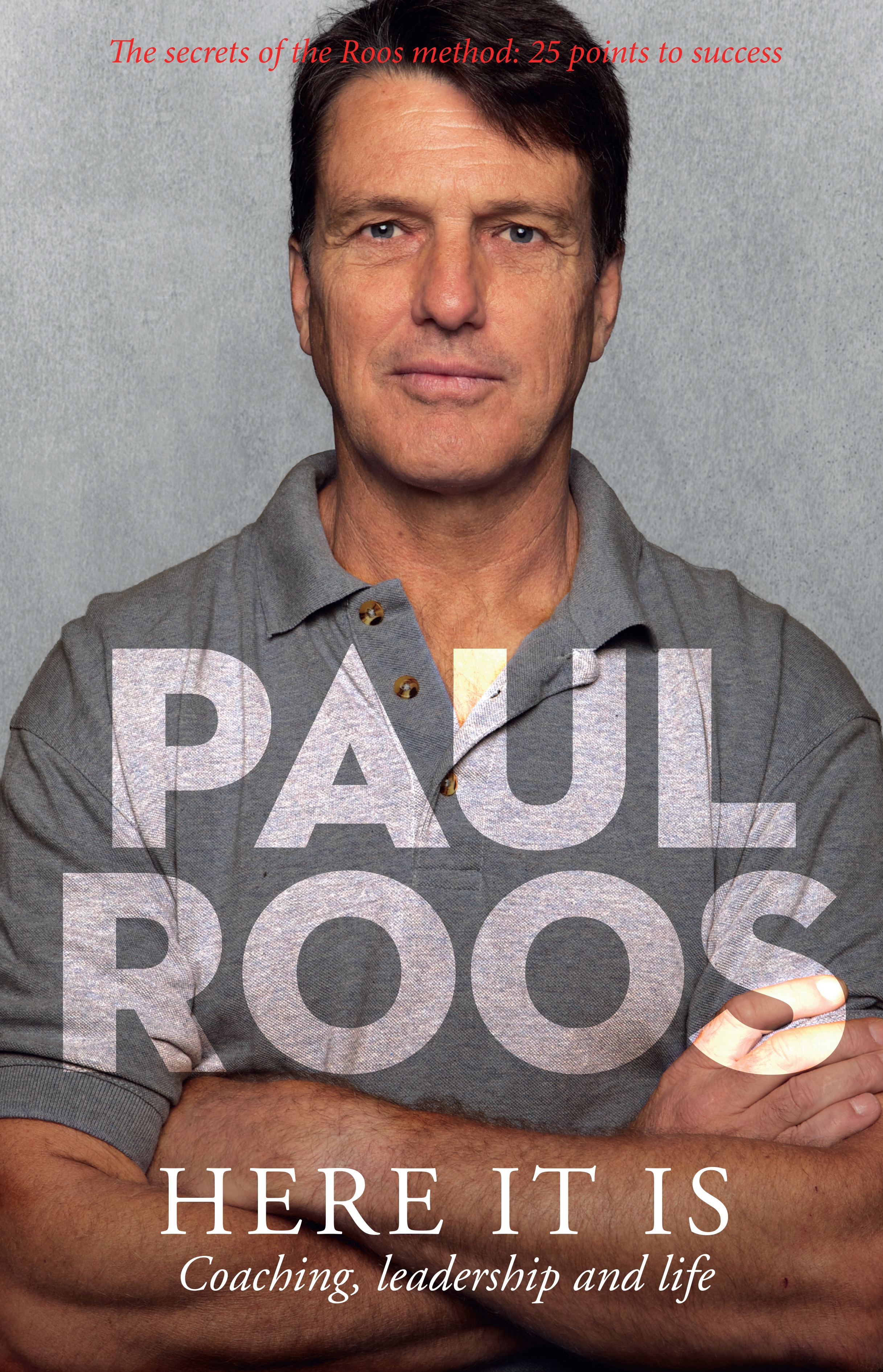
    I recently finished reading the latest book by Paul Roos, “Here It Is: Coaching, Leadership and Life.” Paul Roos is a very successful AFL coach and highly sought after for his man-management and leadership coaching. This year I’ve enjoyed listening to him in the commentary box and was intrigued to read how he approached coaching and working with teams.

    I often wonder how closely coaching an elite sporting team and being involved in Christian ministry align. Obviously, there are significant differences, and the markers of success are worlds apart. However, leadership is still leadership and so part of reading this book was to gain insights for youth ministry. As I read the book I was constantly thinking how his principles for leadership applied to youth ministry. I found much of what he talked about helpful because (1) I enjoy sport and AFL, and (2) I could see his approach being similar to other things I’ve read or heard regarding ministry.

    Below are 10 ideas I found helpful. I wonder if they impact the way we approach youth ministry ourselves?

    Here it is

    (1) The Importance Of Relationships

    Roos emphasises relationships as the key to success at a football club. He played at a time where it was ‘old school’ football. A time where the players would simply train, turn up to play, and do whatever the coach would ask. Often there was little relationship between players, coach, and other staff. After observing this as a player he decided to approach things differently and have a focus on positive inter-club relationships.

    In youth ministry (and church ministry) it’s all about relationships. I’ve been reminded by this in other ways recently, and will hopefully elaborate on that in coming posts. But, needless to say, everything in youth ministry is about relationships. It’s about relationship with God and relationship between people. It’s about relationship with pastoral staff, it’s about relationship with leaders, and between leaders. It’s about relationship with young people and the relationships they have between themselves. It’s about relationship with everyone. Youth ministry is about relationships.

    (2) The 25-points

    Within a month of finishing up as a player Roos wrote down 25-points that were essentially values and standards he would articulate and live out as a coach. These 25-points include the majority of the points I am drawing out here, but the point is he actually wrote down the values he wanted to keep to and they helped guide him in his coaching.

    I wonder whether we as youth ministry write down standards and values that guide us in our leadership? It is worth considering what is most important to you, and where you believe leadership in youth ministry should be focussed on. When being interviewed for the role I currently have I took with me a sheet of paper that had some key scriptures for the way I approached ministry and also seven, what I called, ‘Pastoral Pillars’ that would be my guide as a Youth Pastor. The headings for each of these were: (1) Relational, (2) Disciple Development, (3) De-Program, (4) Leader Development, (5) Mission Posture, (6) Framed Risk, (7) Grey OK. This helped me articulate where I was at and also informed the committee who they were getting. I found it helpful. I think they did too. Do you have something similar?

    (3) The Calm Leader

    Roos played in an era where coaches going off their head was common practice. Giving a good dressing down, dragging the players off the field and onto the bench when they made a mistake, and generally trying to motivate players through yelling and shame. Roos saw this wasn’t benefiting anyone, particularly in keeping morale up, developing players, and providing motivation. His response was to make sure he kept himself calm. He made sure he was emotionally stable in his leadership and provided confidence in doing so. He didn’t want to react in an emotionally volatile way when winning or losing.

    In youth ministry, are you a stable and calm leader? A big influence on me has been the idea of being a ‘non-anxious presence’. That is, someone who is calm, not anxious, and emotionally stable during times of upset, crisis, and conflict. I have wondered whether this can be detrimental when certain situations call for passion, enthusiasm, and excitement. But, in general, a person who leads in youth ministry needs to be calm and in doing so inspire confidence and trust in their leadership.

    When a kid has fall and breaks their foot at a youth camp, be calm and deal with it appropriately. When a leader seems to be going through some sort of crisis and requires some extra attention, be calm and deal with it appropriately. When a parent doesn’t like an action that has been taken and let’s fly with their complaint, be calm and deal with it appropriately. In youth ministry, we need calm, non-anxious, leaders who in doing so help inspire, motivate, and build trust with people around them.

    (4) The Time It Takes To Develop People

    Roos understood that it takes time to develop players. He comments that the age of great learning for a footballer is 18-22 years old. They get drafted, and then take years to develop in their skills, learning about the game, and general aptitude for elite AFL football. Recognising this, Roos seemed to do a few things. First, he made sure the players understood his game plan, their role in the team, and the skills required for top level football. Second, he took time in bringing them into the elite league of the game, often keeping them in second tier competitions for longer than other coaches would. There is the implication that it takes a number of years to develop as a player, helping this development from a young age was his goal. This was clear within his chapters on leading the Sydney football academy for talented teenagers.

    In youth ministry, it takes time to develop faith and to develop in leadership. I think faith could be explored separately to this, but leadership and learning the ropes of youth ministry can begin to be taught while students are still going through youth group and the youth ‘programs’. The youth programs can be tools for discipleship, leadership development, and possibly even church leadership too. But even if we’re intentional it will take time. As hard as it sounds, not all people will have the character or aptitude for youth ministry leadership, I don’t think God has made everyone equal in this regard. However, there are plenty of people who one may not think as ‘youth ministry potential’ who are able to learn and grow in their leadership skills. This simply takes time.

    (5) Everyone Has A Role

    Following on from development is also the question of role. Roos outlined clearly how everyone in the team had a role. Sometimes this was different to what the player had always known. The player may have believed that getting 30 possessions a match was his role, but actually, his role was part of a larger system, the team system, to which they all played a vital part. If that player only had 20 possessions but played their role as they were supposed to then the team had better success than if they went it alone, believing they had to win the game for the team. Roos believes that everyone at the football club has a role and it needs to be defined. Everyone from the President, CEO, Senior Coach, Assistant Coaches, and the players. In some ways, this aligns with another of his values, which was to deal with every player individually, knowing their personal strengths and weaknesses. This avoids lumping everyone into the same box. It is about getting the most out of each person.

    I wonder how we view our youth ministries? Do we do that for our students? For our leaders? For our wider church? The Youth Pastor has a role, that seems to be more defined than others in the church. But, I would argue that just as Paul in 1 Corinthians 12:12-27 writes about the body of Christ, so too, everyone in the church has a role in regard to youth ministry. It’s just not defined or communicated. Therefore, rather than getting every youth leader to be involved in everything on a Friday night perhaps some people are better at talks and should those gifts more often. Perhaps others are good at social media and should look at being communication co-ordinators. Perhaps others are good at running games, explaining them well and getting the group involved. Perhaps others are good at administration and should be looking at the database and helping people in that way. This would help with leadership development, understanding of the various facets of youth ministry, and also help with delegation.

    (6) Team Formed Standards And Values

    A key aspect to Roos’s approach with coaching was to involve every one of the players in determining what the team stood for. The team would have a pre-season camp and flesh out what their values and standards were. This would include values like honesty, hard work, and a never give up attitude. As these values made their way through the team the players themselves would be the ones enforcing the standards. In this way, everyone is invested in the performance of everyone else. Not only on the field, but also off it.

    Could this be a way forward for youth leadership teams? I know I’ve done this a little with my youth leadership teams. We’ve created some leadership commitment guidelines to help guide what it means to be a leader in the youth ministry. I’m sure this could be enforced more, and with each other helping to lift their game in various areas. As an example, one of these guidelines is child safety. If a leader goes outside the bounds, say, initiates a hug with a student, and another leader sees this, they would then pull them up for it. If there is feedback given in terms of the talk or a game, then another leader can do that – encouraging them and also helping them to improve. I see big advantages when the leadership team is invested in creating the standards and values of the ministry.

    (7) A Yearly Review

    Each year Roos would sit down with each individual player and work through strengths and growth areas.

    In youth ministry this would be worth doing also, not only together as a team but individually. As a Youth Pastor I would expect to catch up with my leaders reasonably regularly anyway. But, there could be an intentional one-on-one at the end of the year. This could touch on topics such as discipleship growth, spiritual disciplines, church involvement, and an area to grow in next year.

    (8) The Attitude That Rubs Off

    Roos knew that his attitude would rub off on the players. As the central leader of the club his attitude meant everything. He made sure he was positive and had a positive outlook on the club, the players, and what they could achieve. This doesn’t mean he never made critical judgements about what was going on or was disappointed in players actions. He simply wanted to be positive in his attitude no matter the result.

    Youth ministry isn’t in the win-loss premiership game, but we still have indicators that mean we are satisfied or dissatisfied with the way things are going. At the end of youth group leaders can be up and about because they believe the night went well. Or, they can be flat and a bit disappointed. A process for assessing each youth event and program is vital. But, even more so, the positive attitude of the main leader keeps the big picture in mind and helps other leaders assess correctly. The attitude of the Youth Pastor or key leader has a big impact.

    (9) The Game Plan

    Once all his big blocks of values and standards, attitude and roles were in place Roos also had a game plan to win each match. This game plan seemed to be the same from year one to year ten. It didn’t seem to change much. However, there was a plan. As it has been said, “If you fail to plan, you are planning to fail”.

    It is important to plan in youth ministry. Not just planning a few months out but also having a plan for each event, small group, or youth group night. It is important that everyone on the team knows that plan. I am one who prefers to have those plans early in the week. Others prefer to bring the plan to the night an hour before we start. In any case, a basic plan for us on a Friday night is (1) Welcome, (2) Games, (3) Talk, (4) Discussion Groups. We may also include a time for snacks or for making sure a couple of leaders are at the door when parents arrive for pick-up. After the night is done and things are packed up we as leaders gather and chat through the highlights and lowlights of the evening. It is important to have a plan for youth ministry, one that is broad and one that is specific.

    (10) Communicate, Communicate

    With his commitment to relationships Roos had an emphasis on communication. He kept it simple and constant. Communication between everyone was vital is sustaining relationships and also reinforcing the values and standards of the football club.

    If there is little communication the youth ministry will not go well. There is communication needed between many different parties and in a variety of ways. Communication between Youth Pastor and leadership team and pastoral team. Communication between youth group leaders and parents and students. Communication between youth ministry and wider church. Any relationship you can think of relating to youth ministry requires some form of communication. It is an important part of the gig. And at the end of the day, it is another key aspect to building relationships.

  • Does The Youth Leader Need To Be Magnetic?

    Is it necessary for a Youth Pastor to have a magnetic personality? 

    Often I find myself wondering whether all the great Youth Pastor’s are people who have extroverted, outgoing, positive, and magnetic personalities.

    Does The Youth Leader Need To Be Magnetic

    On one hand it could be argued that a magnetic personality is almost essential as part of the role. Someone who is able to draw people to the ministry, interact with young people in a meaningful way, and have leaders that are willing to follow means there is some form of magnetism required to the role.

    It might be helpful to think of this in reverse too. If a Youth Pastor is sour, socially awkward, unable to interact with people of all ages, and wants to hide away from any form of public speaking then maybe the role isn’t for them.

    I wonder whether you believe it is important to have a magnetic personality as a Youth Pastor? 

    However, it is unfair to discourage people from leading in youth ministry if they don’t conform to our preconceived ideas of what a youth leader should be like. In doing so we deny people within the body of Christ from contributing in their own unique way. After all, as a body of believers, we recognise that God has created everyone in his image and that each one is a gift for the church.

    “Just as a body, though one, has many parts, but all its many parts form one body, so it is with Christ. For we were all baptised by one Spirit so as to form one body—whether Jews or Gentiles, slave or free—and we were all given the one Spirit to drink. Even so the body is not made up of one part but of many.” (1 Corinthians 12:12-14)

    While character, maturity, and skillset of each person needs to be taken into account, there is no biblical edict regarding personality that informs the type of role a person should have in the church.

    Whether introverted or extroverted, each personality should be able to find their place to serve and build the church.

    It may be helpful to be a people person in a people-focussed work, it is not necessary for there to be some special type of magnetism in youth ministry leadership. People may well be better suited to sharing from the front while others are better suited talking one-one-one with others. Some are better suited at interacting with parents and welcoming new people, others are better suited to sorting out the games or the supper for the night. Some leaders might be best suited to help in administration and not be involved in a youth night at all. There are plenty of ways to serve in youth ministry and it doesn’t matter what their personality.

    When you consider your own gifts, skill set, and character, where in youth ministry do you think you would best serve? 


    This post is a free writing exercise in response to The Daily Post topic ‘Magnetic‘.

  • Starting Fresh As A Youth Pastor

    At my denominational gathering of Next Generational Leaders (a fancy name for those in ministry in the children’s, families, youth and young adult demographic) last week I was due to present a few reflections on starting fresh in ministry or a new ministry role. Unfortunately I came down with the flu (or man-flu, it’s a fine line) so I wasn’t able to actually present. However, not wanting to waste the time and thought put into it I have outlined what I was going to say below. Enjoy.

    apple starting fresh

    What happens when the honeymoon period that is beginning at a new church begins to fade into the distance?

    Reality sets in.

    Things don’t go as smoothly as they were at the start. The jobs seems bigger than expected. Some of the expectations now upon your shoulders aren’t what you enjoy doing. The role you thought you were given in the interview process doesn’t seem to be have been entirely accurate. You begin questioning your own skills and abilities for the job. Already you have people who don’t like you. You feel like you’re being watched in everything you do. The pressure seems to be rising, whether it’s real or not.

    Welcome to ministry. 🙂 

    In recent times there has been a changing of the guard within the Baptist Union of Victoria’s next generation ministries. A little survey conducted recently found that of the 74 Next Generational Leaders within the BUV surveyed, just over 20% were in their first year of a paid ministry role (they are either starting out or in a new ministry context). If you extend this time to 3 years the number rises to just over 40%. That is a lot of newbies!

    So, with that information in mind I briefly want to share with you some reflections that might be helpful for you as you begin in your ministry. And, if you’ve been around the traps for a while then I hope these pointers are a good refresher for you.

    First, relationships are key, particularly with your Senior Pastor.

    The number one relationship you have within your church, other than with Jesus, is your Senior Pastor.

    No other relationship will have a bearing on your role and the way you function as a pastor than the relationship you have with your Senior Pastor. A strong relationship will provide a place of trust, honesty, and freedom in your role and will also allow for affirmation, encouragement and critique.

    So, make sure you meet regularly with them. Either weekly or fortnightly. Anything longer and you won’t be building a good enough relationship. Seek to sit under their leadership and understand their vision and mission for the church and how you, in your role and ministry, support that.

    This is also the relationship where the most tension will come. Bonem and Patterson, in their book Leading from the Second Chair, speak of it in terms of the subordinate-leadership paradox. Whereby we understand our authority and effectiveness comes from a healthy, subordinate relationship to the Senior Pastor. At different times there will be disagreement and it is the health and strength of the relationship that may determine how things go.

    Other relationships are of course important – leadership teams, parents, young adults, young people, kids, schools, community groups etc. But, it is the Senior Pastor relationship that often needs to take priority.

    Second, when you’re fresh, just listen and observe what’s going on.

    Some pastoral ministry advice I have heard is that it is common to overestimate what you will achieve in your first year and underestimate what you will do in five. I think this is true.

    I could come in with my predetermined programs and ideas and begin putting them in place without listening and observing what’s going on. In my 4-5 months I haven’t changed a thing. I’ve probably done some things a little differently but I haven’t made any structural or process changes to our youth and young adult ministries. I can see that in due course there will be a need to develop areas but right now it’s the listening and observation stage.

    Each individual church is its own cultural microcosm and system. It can take many years for change to come about.

    With this in mind I’d encourage you to simply listen to the stories of those who attend, ask them why they’re at the church, why do they stick around in this place? Speak to those in the youth group, the young adults and also the older ones in the congregation to get a sense of the history of the place. You may find that there are reasons why the church operates the way it does and it may seem completely logical in their mind and totally stupid in yours.

    But just listen, listen and observe what’s going on and where God is at work.

    Third, it’s important to have perspective.

    We are broken people, working with broken people. And it is only by the grace of God that we do what we do.

    It is such a privilege to disciple and equip people as they seek to know Jesus more and more. The amount of time, effort, and heartache that we put into our programs and our people can make us lose perspective at times.

    There is great joy and great pain in ministry and it is only survived through a strong relationship with Jesus, who gives perspective to all things.

    I am glad that my personhood and identity is not wrapped up in being a pastor. Being the Associate Pastor for Youth & Young Adults at Rowville Baptist Church is the current assignment God has for me, but my call is simply to follow Jesus and be more like Him. That allows me to have perspective in what I do.

    It’s not easy. Not by any means.

    But it is a truth that needs to be held onto.

    Therefore, I want to encourage you to get a mentor or a ministry partner. Someone who you can trust, who knows what you are going through, and who can sit there and listen to you verbally vomit all over them. Someone who can understand the tough and challenging times but also someone who can lift the mirror up and tell you you’re being selfish and an idiot. Make sure you have someone like that, or a group of people like that, who can mutually support one-another, bring perspective to the various ministry situations you find yourself in, and pray with you and for you.

    To finish I would like to remind you of 1 Corinthians 3:8-9 where Paul speaks of how God makes the church grow. “The one who plants and the one who waters have one purpose, and they will each be rewarded according to their own labour. For we are co-workers in God’s service; you are God’s field, God’s building.”

    May we be reminded, whether we’re starting fresh or an old hat, that it is God making things grow as we serve Him and His church.

    Top Resources For Starting Fresh: