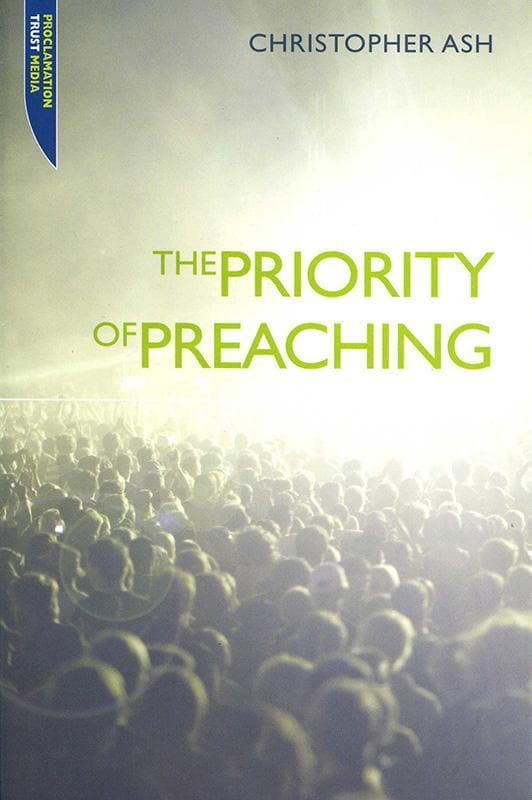
In The Priority of Preaching, Christopher Ash challenges those of us who preach with the call to urgency. Last time, I highlighted the idea of preaching grace, this time I want to explore how the pulpit isn’t just a platform for explaining scripture, but a place to bring a sense of urgency to the gospel. Ash argues that preaching isn’t simply giving over information, it’s a call to action that seeks a response.

Ash tells a story or illustration about “three apprentice devils” training under Satan. The first suggests they convince people there’s no God, but Satan isn’t impressed, noting that even in a secular world, many still feel a pull toward belief. The second proposes they argue there’s no judgment. Again, Satan says this won’t work, as people often sense that actions have consequences. Finally, the third apprentice suggests whispering, “There’s no hurry.” This plan, Satan says, will work because it plants a subtle complacency, pushing people to put off responding to the Word, assuming they’ll get to it someday.
The point made here is connected to the words of Paul in 2 Corinthians 6:2, “Now is the time of God’s favor, now is the day of salvation”. Responding to the Good News is not something to delay. Preaching, then, needs a sense of urgency to combat the tendency to postpone faith or repentance. Without it, people may listen without ever responding, pushing away a decision that requires action today, not tomorrow.
This urgency can shape the way we approach sermon content and tone as well. Ash writes, “The urgency of faith means we need to preach with urgent passionate clarity.” In other words, urgency doesn’t mean delivering an emotional message or stirring up an anxious response. It’s about bringing clarity and conviction, preaching with a confidence that God’s message requires immediate attention.
A look at biblical preaching shows this same urgency. John the Baptist’s message, for instance, was clear and direct: “Repent, for the kingdom of heaven has come near” (Matthew 3:2). Jesus Himself speaks with a sense of immediacy, calling people to follow Him without delay (Matthew 4:19-22). The apostles in Acts don’t simply preach for knowledge; they’re actively calling people to repent and believe, with Peter in Acts 2 urging his listeners, “Repent and be baptized…for the forgiveness of your sins” (Acts 2:38). In each of these cases, the call is immediate and direct, a reminder that responding to God’s Word is essential.
Ash’s perspective on urgency challenges us to recognise that we have a responsibility not only to explain the Word but to call people to respond. There is a place for teaching and a place for exhorting, and urgent preaching holds both together, pointing people in the right direction but also giving a “shove,” as Ash puts it, to get them started. This approach challenges the idea of “neutral” preaching—an invitation to consider a message without pressing toward response. For Ash, that kind of preaching risks becoming little more than a lecture, missing the power and purpose of the pulpit.
The urgency in preaching is not about creating panic or fear but about presenting the gospel in a way that recognises its eternal weight. Ash writes that preaching is never simply information transfer; it’s always aimed at transformation. This brings to mind the warning in Hebrews 3:15, “Today, if you hear his voice, do not harden your hearts.”
For those of us who preach regularly, this means preparing sermons with the challenge of urgent decision-making, rather than assuming listeners will naturally follow through. Ash’s approach encourages preachers to explicitly call for a response, trusting that God will use the preached Word to reach those who hear. Our role as preachers, then, isn’t just to explain; it’s to invite and challenge people toward an active faith that starts today.
In the end, Ash’s perspective on urgency in preaching reminds us that the Word of God calls us to act now, not “someday.” This approach is a counterbalance to our tendency to wait, putting off faith decisions until they seem more convenient. Ash’s point is that, as preachers, we are watchmen—our role is to sound the alarm, not to let people stay in spiritual comfort or complacency.
 Life + Faith – joncoombs.com