Tag: Leadership

  • Here It Is: Paul Roos, Leadership, And Youth Ministry

    I recently finished reading the latest book by Paul Roos, “Here It Is: Coaching, Leadership and Life.” Paul Roos is a very successful AFL coach and highly sought after for his man-management and leadership coaching. This year I’ve enjoyed listening to him in the commentary box and was intrigued to read how he approached coaching and working with teams.

    I often wonder how closely coaching an elite sporting team and being involved in Christian ministry align. Obviously, there are significant differences, and the markers of success are worlds apart. However, leadership is still leadership and so part of reading this book was to gain insights for youth ministry. As I read the book I was constantly thinking how his principles for leadership applied to youth ministry. I found much of what he talked about helpful because (1) I enjoy sport and AFL, and (2) I could see his approach being similar to other things I’ve read or heard regarding ministry.

    Below are 10 ideas I found helpful. I wonder if they impact the way we approach youth ministry ourselves?
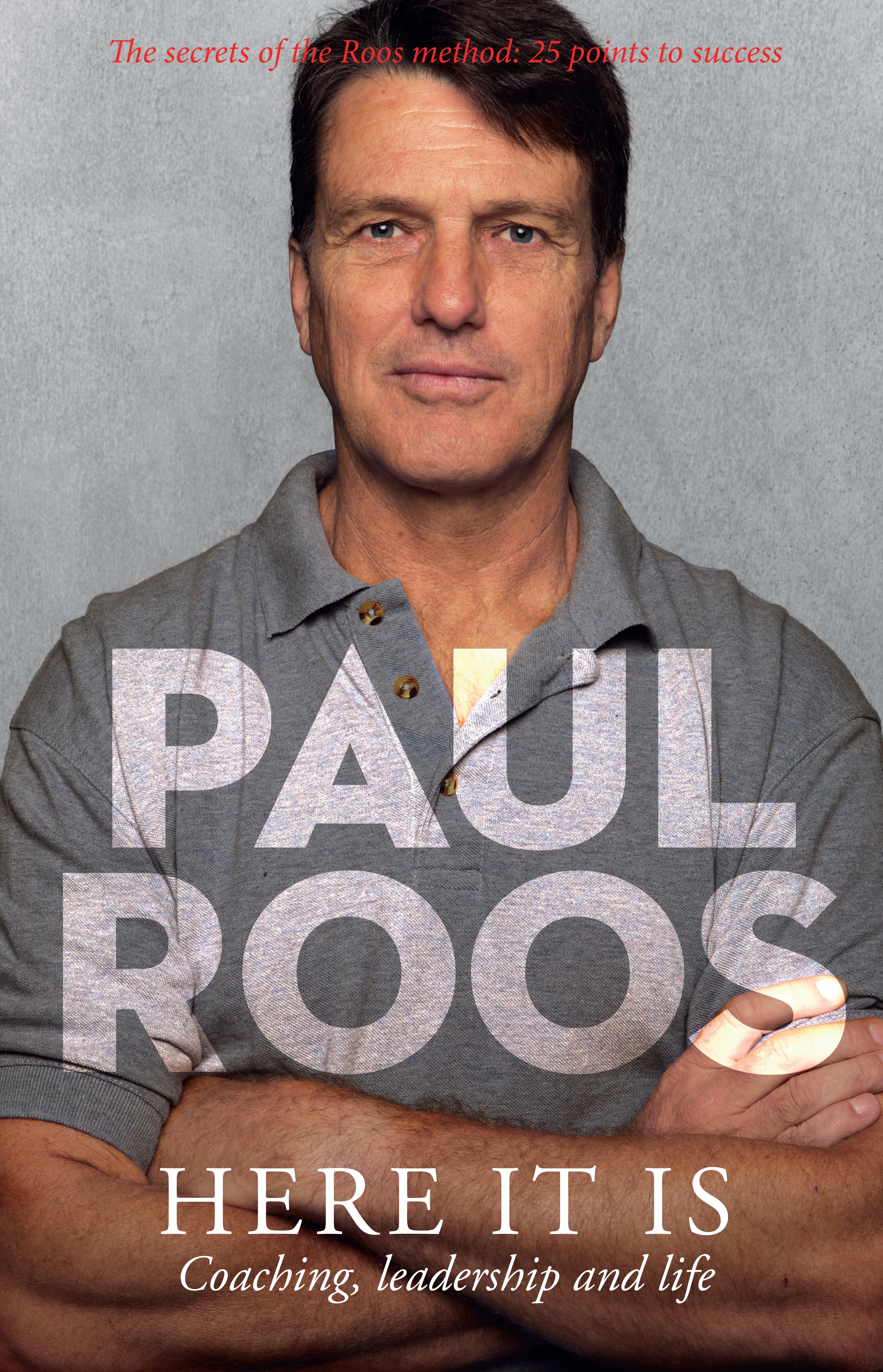
    Here it is

    (1) The Importance Of Relationships

    Roos emphasises relationships as the key to success at a football club. He played at a time where it was ‘old school’ football. A time where the players would simply train, turn up to play, and do whatever the coach would ask. Often there was little relationship between players, coach, and other staff. After observing this as a player he decided to approach things differently and have a focus on positive inter-club relationships.

    In youth ministry (and church ministry) it’s all about relationships. I’ve been reminded by this in other ways recently, and will hopefully elaborate on that in coming posts. But, needless to say, everything in youth ministry is about relationships. It’s about relationship with God and relationship between people. It’s about relationship with pastoral staff, it’s about relationship with leaders, and between leaders. It’s about relationship with young people and the relationships they have between themselves. It’s about relationship with everyone. Youth ministry is about relationships.

    (2) The 25-points

    Within a month of finishing up as a player Roos wrote down 25-points that were essentially values and standards he would articulate and live out as a coach. These 25-points include the majority of the points I am drawing out here, but the point is he actually wrote down the values he wanted to keep to and they helped guide him in his coaching.

    I wonder whether we as youth ministry write down standards and values that guide us in our leadership? It is worth considering what is most important to you, and where you believe leadership in youth ministry should be focussed on. When being interviewed for the role I currently have I took with me a sheet of paper that had some key scriptures for the way I approached ministry and also seven, what I called, ‘Pastoral Pillars’ that would be my guide as a Youth Pastor. The headings for each of these were: (1) Relational, (2) Disciple Development, (3) De-Program, (4) Leader Development, (5) Mission Posture, (6) Framed Risk, (7) Grey OK. This helped me articulate where I was at and also informed the committee who they were getting. I found it helpful. I think they did too. Do you have something similar?

    (3) The Calm Leader

    Roos played in an era where coaches going off their head was common practice. Giving a good dressing down, dragging the players off the field and onto the bench when they made a mistake, and generally trying to motivate players through yelling and shame. Roos saw this wasn’t benefiting anyone, particularly in keeping morale up, developing players, and providing motivation. His response was to make sure he kept himself calm. He made sure he was emotionally stable in his leadership and provided confidence in doing so. He didn’t want to react in an emotionally volatile way when winning or losing.

    In youth ministry, are you a stable and calm leader? A big influence on me has been the idea of being a ‘non-anxious presence’. That is, someone who is calm, not anxious, and emotionally stable during times of upset, crisis, and conflict. I have wondered whether this can be detrimental when certain situations call for passion, enthusiasm, and excitement. But, in general, a person who leads in youth ministry needs to be calm and in doing so inspire confidence and trust in their leadership.

    When a kid has fall and breaks their foot at a youth camp, be calm and deal with it appropriately. When a leader seems to be going through some sort of crisis and requires some extra attention, be calm and deal with it appropriately. When a parent doesn’t like an action that has been taken and let’s fly with their complaint, be calm and deal with it appropriately. In youth ministry, we need calm, non-anxious, leaders who in doing so help inspire, motivate, and build trust with people around them.

    (4) The Time It Takes To Develop People

    Roos understood that it takes time to develop players. He comments that the age of great learning for a footballer is 18-22 years old. They get drafted, and then take years to develop in their skills, learning about the game, and general aptitude for elite AFL football. Recognising this, Roos seemed to do a few things. First, he made sure the players understood his game plan, their role in the team, and the skills required for top level football. Second, he took time in bringing them into the elite league of the game, often keeping them in second tier competitions for longer than other coaches would. There is the implication that it takes a number of years to develop as a player, helping this development from a young age was his goal. This was clear within his chapters on leading the Sydney football academy for talented teenagers.

    In youth ministry, it takes time to develop faith and to develop in leadership. I think faith could be explored separately to this, but leadership and learning the ropes of youth ministry can begin to be taught while students are still going through youth group and the youth ‘programs’. The youth programs can be tools for discipleship, leadership development, and possibly even church leadership too. But even if we’re intentional it will take time. As hard as it sounds, not all people will have the character or aptitude for youth ministry leadership, I don’t think God has made everyone equal in this regard. However, there are plenty of people who one may not think as ‘youth ministry potential’ who are able to learn and grow in their leadership skills. This simply takes time.

    (5) Everyone Has A Role

    Following on from development is also the question of role. Roos outlined clearly how everyone in the team had a role. Sometimes this was different to what the player had always known. The player may have believed that getting 30 possessions a match was his role, but actually, his role was part of a larger system, the team system, to which they all played a vital part. If that player only had 20 possessions but played their role as they were supposed to then the team had better success than if they went it alone, believing they had to win the game for the team. Roos believes that everyone at the football club has a role and it needs to be defined. Everyone from the President, CEO, Senior Coach, Assistant Coaches, and the players. In some ways, this aligns with another of his values, which was to deal with every player individually, knowing their personal strengths and weaknesses. This avoids lumping everyone into the same box. It is about getting the most out of each person.

    I wonder how we view our youth ministries? Do we do that for our students? For our leaders? For our wider church? The Youth Pastor has a role, that seems to be more defined than others in the church. But, I would argue that just as Paul in 1 Corinthians 12:12-27 writes about the body of Christ, so too, everyone in the church has a role in regard to youth ministry. It’s just not defined or communicated. Therefore, rather than getting every youth leader to be involved in everything on a Friday night perhaps some people are better at talks and should those gifts more often. Perhaps others are good at social media and should look at being communication co-ordinators. Perhaps others are good at running games, explaining them well and getting the group involved. Perhaps others are good at administration and should be looking at the database and helping people in that way. This would help with leadership development, understanding of the various facets of youth ministry, and also help with delegation.

    (6) Team Formed Standards And Values

    A key aspect to Roos’s approach with coaching was to involve every one of the players in determining what the team stood for. The team would have a pre-season camp and flesh out what their values and standards were. This would include values like honesty, hard work, and a never give up attitude. As these values made their way through the team the players themselves would be the ones enforcing the standards. In this way, everyone is invested in the performance of everyone else. Not only on the field, but also off it.

    Could this be a way forward for youth leadership teams? I know I’ve done this a little with my youth leadership teams. We’ve created some leadership commitment guidelines to help guide what it means to be a leader in the youth ministry. I’m sure this could be enforced more, and with each other helping to lift their game in various areas. As an example, one of these guidelines is child safety. If a leader goes outside the bounds, say, initiates a hug with a student, and another leader sees this, they would then pull them up for it. If there is feedback given in terms of the talk or a game, then another leader can do that – encouraging them and also helping them to improve. I see big advantages when the leadership team is invested in creating the standards and values of the ministry.

    (7) A Yearly Review

    Each year Roos would sit down with each individual player and work through strengths and growth areas.

    In youth ministry this would be worth doing also, not only together as a team but individually. As a Youth Pastor I would expect to catch up with my leaders reasonably regularly anyway. But, there could be an intentional one-on-one at the end of the year. This could touch on topics such as discipleship growth, spiritual disciplines, church involvement, and an area to grow in next year.

    (8) The Attitude That Rubs Off

    Roos knew that his attitude would rub off on the players. As the central leader of the club his attitude meant everything. He made sure he was positive and had a positive outlook on the club, the players, and what they could achieve. This doesn’t mean he never made critical judgements about what was going on or was disappointed in players actions. He simply wanted to be positive in his attitude no matter the result.

    Youth ministry isn’t in the win-loss premiership game, but we still have indicators that mean we are satisfied or dissatisfied with the way things are going. At the end of youth group leaders can be up and about because they believe the night went well. Or, they can be flat and a bit disappointed. A process for assessing each youth event and program is vital. But, even more so, the positive attitude of the main leader keeps the big picture in mind and helps other leaders assess correctly. The attitude of the Youth Pastor or key leader has a big impact.

    (9) The Game Plan

    Once all his big blocks of values and standards, attitude and roles were in place Roos also had a game plan to win each match. This game plan seemed to be the same from year one to year ten. It didn’t seem to change much. However, there was a plan. As it has been said, “If you fail to plan, you are planning to fail”.

    It is important to plan in youth ministry. Not just planning a few months out but also having a plan for each event, small group, or youth group night. It is important that everyone on the team knows that plan. I am one who prefers to have those plans early in the week. Others prefer to bring the plan to the night an hour before we start. In any case, a basic plan for us on a Friday night is (1) Welcome, (2) Games, (3) Talk, (4) Discussion Groups. We may also include a time for snacks or for making sure a couple of leaders are at the door when parents arrive for pick-up. After the night is done and things are packed up we as leaders gather and chat through the highlights and lowlights of the evening. It is important to have a plan for youth ministry, one that is broad and one that is specific.

    (10) Communicate, Communicate

    With his commitment to relationships Roos had an emphasis on communication. He kept it simple and constant. Communication between everyone was vital is sustaining relationships and also reinforcing the values and standards of the football club.

    If there is little communication the youth ministry will not go well. There is communication needed between many different parties and in a variety of ways. Communication between Youth Pastor and leadership team and pastoral team. Communication between youth group leaders and parents and students. Communication between youth ministry and wider church. Any relationship you can think of relating to youth ministry requires some form of communication. It is an important part of the gig. And at the end of the day, it is another key aspect to building relationships.


  • 11 Things: The Privilege Of Youth Ministry

    When finishing up in any youth ministry role, paid or volunteer, I’ve always been struck by the privilege it’s been to have such a position.

    There’s something ironic about finishing up in a role and then being overwhelmed with the sense of satisfaction and privilege for being in it in the first place. While doing the tasks and duties associated with the position we are often unaware of the the privileges. We feel the grind and experience the drag, but hindsight, as they say, is a wonderful thing.

    I distinctly remember the feeling of concluding our time in Lebanon. The relationships built, the friendships formed. I remember saying goodbye and realising that it is unlikely I will ever see these people again. It was simply a privilege to meet them and be involved in their lives.

    I remember how it felt leaving Canterbury Baptist. We’d been there nearly 10 years and I had made a contribution as a volunteer leader right through to being on staff. There was, and still is, joy, satisfaction, and a large spoonful of pride in what had been accomplished. And of course, there were challenges along the way. Some unbelievably hard. But the privilege of being in such a position is what I remember most.

    When in the middle of it all it is easy to get bogged down in the day-to-day, week-to-week tasks that need to be done. The challenges are at the forefront of the mind, not the privileges. But with intentionality I believe fostering a sense of privilege during your time in youth ministry is vital for self-care, sustainability, and perspective.

    The realisation of such a privileged position doesn’t have to happen once it’s all gone.

    I have small children. And for nearly five years now I am often told by older and wiser parents, “It goes so fast, make sure you treasure every moment”. In the midst of parenting small children hearing the ‘treasure every moment’ thing can get on your nerves. But what these kindhearted people are saying is true. It goes fast, and there are numerous moments to treasure.

    The same could be said for youth ministry.

    Youth ministry is a privilege.


    When you’re in it no one is telling you how much of a privilege it is. Conversations with other youth ministry practitioners usually centre around the challenges and the problems. But let me tell you that youth ministry is a privilege, you should treasure every moment (OK, almost every moment).

    This is the final part in the ‘11 Things’ series. It’s been a journey, and we’ve touched on a number of subjects. Each post has explored an aspect of youth ministry that I wish I had known more of before entering this gig. I’ve mused on these topics, and gained clarity for myself, as I’ve thought through what would have been helpful to me over 15 years ago.

    To finish this series, and capture the essence of what youth ministry is about, I think it is important to be reminded of the privilege it is to be in such a role.

    With that said, here are five privileges I believe are important to recognise in youth ministry.

    (1) The Privilege of Influence

    A leader is someone who influences others. This can be done with a title, but in most cases this influence occurs through the giving and receiving of trust. In any form of youth ministry role, paid or volunteer, trust is given to you and it is a privilege to receive it.

    Even more unbelievable is the fact that you have the opportunity to influence people for good. You become a voice in a young person’s life. A voice they respect and seek when making decisions or dealing with challenges in their life. You become someone they look up to, someone they seek to imitate.

    Furthermore, the influence that those in youth ministry carry helps frame how students think about their faith–how they think about God. Youth ministry research suggests that a young person needs connection with five older adults to help make faith ‘stick’. These days it can be hard for a student to find that many older adults interested in intentionally investing in them. This is where youth ministry leaders are so vital, and where inter-generational ministry is a must. The more people in youth ministry the greater the likelihood of teenagers continuing in faith.

    Here lies great responsibility and great privilege.   

    (2) The Privilege of Partnership

    Youth ministry isn’t done in a bubble, solely interacting with students.

    Well, it shouldn’t be.

    One amazing aspect to youth ministry is the ability to not only be part of a teenagers life but also the life of their family. Connecting with parents, siblings, and the extended family is a privilege.

    The opportunity to celebrate with families as they pass certain milestones is a unique aspect to a youth ministry role. Whether it is entering high school, getting L-plates and P-plates, turning 18 or 21, graduation ceremonies or celebrating sporting, art, or music successes, the involvement in family life is a special benefit.  

    And then once you hang around long enough you begin to take a more pastoral role with the parents as their kids move out, get engaged and married, and have children themselves.

    What a privilege.

    (3) The Privilege of Care

    This is a massive one for me.

    This week alone I could tell you story after story of the significant challenges young people have to face. Everything from the death of a grandparent, to a mental health diagnosis, to the separation of a family member, to the trauma of bullying, to the parent diagnosed with cancer, to the family member involved in a car crash, to the unhealthy home life, to the poor results at school.

    Young people are dealing with a lot. Sometimes too much. But it is such a privilege to be one of the first people they message when things aren’t going well. To be someone whom they seek out and lean on when challenging times are upon them. To be a person who they trust enough to share their struggles in faith, home, and life.

    The privilege of being there, of being present, is something that cannot be taken for granted.

    (4) The Privilege of Teaching

    Each week there are times for the opportunity to open the bible and pray with students.

    For someone, young or old, willing to sit down for an hour or two and read the bible and pray with you is a phenomenal privilege. They could be doing something else with their time. Instead, they purposefully choose to meet and spend time learning and growing in their faith. The want to make connections between the bible and their lives and pray with others. 

    This should blow our minds.

    The opportunity to do this keeps you sharp in teaching faith. It makes you think through how to make the scriptures relevant and applicable to teenagers. It brings with it the responsibility to teach the truths of God and allow space for them to explore it themselves.

    Having this chance to shape how people think about God and his Word in a deep and lifelong way is a privilege that makes me wonder how we actually get to do this.

    (5) The Privilege of Ministry

    The fact that churches employ people to help grow and lead their young people staggers me.

    It has become normative in churches for the second staff appointment to be that of a Youth Pastor. For a church to do that is quite a statement. It speaks of their intention to invest and disciple young people. It speaks of the priority they have in students. It speaks of the high regard they have for the ministry to teenagers.

    Most youth ministry leaders I know would be doing what they do even if they didn’t get paid for it. It’s the passion and heart they have for seeing those in high school come to faith and grow in faith that drives them. This, like anything, can be used and abused. Unfortunately, there are plenty of stories of this happening in churches around Victoria and Australia as we speak. But on the whole, it is a privilege to even have the opportunity to work in this sphere.

    Having the opportunity to be employed in Christian youth work, to connect and disciple young people, is such a privilege. To see them grow and mature as people and people of faith is something money can’t buy.

    I’m sure there are many other privileges to add to this as well. Some internal, some external. Perhaps you have more you could add to the list yourself. But if you’re involved in youth ministry in any form, whether it’s officially as a ‘Youth Leader’ or whether you happen to play in the church band with a 17-year-old and speak to them every so often, be reminded that it is a privilege to do so.

    In all the ministry, in all the challenges, in all the things we do within the sphere of youth work we need to remember that it is a privilege to do what we do.


    A while ago I wrote a post about what I wished I knew when entering youth ministry. This is part eleven of a series dedicated to elaborating each of those points. You can read part onepart twopart threepart fourpart five, part six, part seven, part eight, part nine, and part ten here.

  • 11 Things: Working Better

    ‘Adulting’ according to Urban Dictionary, is:

    “…to do grown up things and hold responsibilities, such as, a 9-5 job, a mortgage or rent, a car payment, or anything else that makes one think of grown-ups.”

    When entering youth ministry it is not uncommon to be in our early to mid-20s. In all reality, there is little of life lived and much more of life to come. Some things we aren’t taught in school and one of those things is adulting.

    Part of adulting is having a system to deal with all the adulting things we need to do in life and work. Having a system to deal with these things can be learnt and is important in any job, relationship, or area of responsibility you might find yourself in.

    With this in mind, I wish I had a better idea of organising my workflow and system when entering youth ministry. I have always considered myself someone who is pretty decent at organising and planning. For example, I have colour-coded calendars that tell me what’s coming up in church and family life. I have a spreadsheet that details every book I’ve read since 2005. I keep my books in categories. I keep notes of conversations I’ve had with people. I used to rename individual photos according to date and place. So, yeah, I think I’m OK at this organising thing…sometimes a bit too much.

    But starting out life in my twenties I had no idea. It took me a number of years, through working as a Personal Trainer and Gym Manager, and into missions and ministry, before I felt I had a good system.

    This system refers to how one handles their to-do-list and what you do with all the life administration you end up doing. This can include how to deal with email, reminding yourself of the improvements you need to make when running that camp again next year, setting a date to write a report, trying to remember the contact details of a new person at youth group. And so on.

    There is a lot to deal with in youth ministry, and in life, so a system to deal with this is always helpful.

    If I had my time over again I would begin thinking through this stuff earlier than I did. In many ways this is a learned process but there are plenty of resources to help young Youth Pastors think through the skills they need to improve as part of the job. In youth ministry there can be plenty of things going on in church life and it is hard to keep all the balls in the air at once. If starting out again, I’d think about how to structure my week, how to get my emails down to zero, how to plan the next 12 months and the next 3 years, how to understand the rhythm of the church’s year, how to deal with budgets, and how to plan one-off events.

    All this non-people work makes our world turn on its axis.

    What’s it called?

    That’s right, administration.

    The death of many a good Youth Pastor.

    In every job there are things that people don’t really wish to do. Some can be delegated but others need to done. This is one of them.

    So really, I’d simply encourage you to read two books.

    First, Do More Better by Tim Challies, outlines briefly how to approach a working system that is adaptable to your needs and scaleable to your work and life context.

    Second, What’s Best Next by Matt Perman is also an excellent resource on how to think about personal productivity and then how to apply it.

    Administration, it’s not the sexiest topic. But it’s important if you’re wanting to learn more about how to actually do the job of youth ministry in amongst all the caring and events.

    It’s something I wish I knew when I started out.


    A while ago I wrote a post about what I wished I knew when entering youth ministry. This is part ten of a series dedicated to elaborating each of those eleven points. You can read part onepart twopart threepart fourpart five, part six, part seven, part eight and part nine here.

  • 11 Things: Nothing Else Matters

    A while ago I wrote a post about what I wished I knew when entering youth ministry. This is part six of a series dedicated to elaborating each of those eleven points. You can read part onepart twopart threepart four, and part five here.


    When in the guts of week-to-week youth ministry it is unlikely that anyone cares about what you’ve achieved in the past. The only time your education, prior experience, and variety of training helps you is through the application and interview process. Once your name has gone to the church, an introductory A4 sheet of paper is handed out about who you are (and your family, if you have one), and the vote has been taken, it’s all over. All of that is forgotten.

    What matters most to those in your church is how you relate to people and whether you can look after the students.

    Seriously, get those two things right and generally people will be happy.

    However, for us as Youth Pastors, we have a sense of pride in our work. This is not the kind of arrogant pride, overconfidence, and belittling of others. No, this is a sense of achievement, being happy and satisfied in the work, education, and relationships we have in our life.

    If you’ve been in youth ministry longer than 5 years you should feel good about that. If you’ve completed a particular course, you should feel good about that. If you’ve travelled, you should feel good about that. If you’ve been through tough experiences and come out the other side, you should feel good about that. If you’ve taken the step to get married, I hope you’d feel good about that! Whatever your accomplishments and achievements are you should feel good about them. We are all unique and will bring those experiences into our youth ministry role at church.

    The issue is, no one will care more about this than you.

    I wished I knew that what I’d achieved in the past would only matter to me earlier than I did. At one stage I believed that the two-years in mission work would help me gain a position as Youth Pastor. I thought it would at least provide a good platform for leadership in the church. After all, I knew what I’d done, the experiences I’d had, and was confident in my own abilities. Yet, when in conversation with someone in leadership they simply dismissed this experience because it wasn’t youth ministry specific. Little did they know me, let alone the experiences I had, and how totally applicable and formative it was to youth ministry.

    Often we begin to believe that the experiences we’ve had in the past aren’t very influential or relevant to the role we play as Youth Pastors. This isn’t true.

    Everything we’ve done is really formative for us. Our experience in life and work all helps in the youth ministry role, helping us relate, care, and create as Youth Pastors. Whether it’s a course of study, travel, corporate work, gardening, or cleaning toilets as part of your entry-level McDonalds job, all of these help in forming us in youth ministry.

    All this being said, it comes down to the realisation that we can’t rest on these experiences. We can’t have our hope and identity in our past accomplishments, just as we can’t have our hope and identity in our role as Youth Pastor.

    While these things help form us, they aren’t known to others. Youth ministry volunteers, parents, the students don’t know your story like you do. When something comes up that they’re not happy with, that they challenge you on, that they disagree with you about, then none of your accomplishments matter. It’s not about status and achievements. What matters is how you’re going to deal with the situation you have in front of you. What matters is whether you’ve learnt from your experiences, and how you can leverage them in dealing with the challenges and joys you face in youth ministry now.

    The point is really about identity.

    Our identity is not in our position as Youth Pastor. It’s not in our accomplishments. It’s not about our ego.

    It’s in Christ (John 15:15; 2 Cor 5:17; Gal 2:20; Col 3:3).

    We serve him. His people. And try to get the ego out of the way.


    Questions for reflection:

    • Do you put too much weight in the achievements of the past?
    • Is your ego seeking to remind you of all the awesome things you’ve done?
    • How are you learning and growing to serve others in humility?
  • 11 Things: The Senior Pastor-Youth Pastor Relationship

    A while ago I wrote a post about what I wished I knew when entering youth ministry. This is part two of a series dedicated to elaborating each of those eleven points. You can read part one here.


    As a Youth Pastor I’ve spent time under three Senior Pastors. I’ve always felt I’ve had a good relationship with them. I know I had the support of them throughout my time with them, and I also feel I supported them well, no matter the circumstances. It may well be the loyalty instinct I have within me, but I have resolved from very early on to back my Senior Pastor to the hilt.

    The Senior Pastor-Youth Pastor dynamic is an interesting one. It is not often talked about in public. I’ve never been to a workshop about how to relate to my Senior Pastor or been provided with much training in how to navigate this relationship. If such a workshop was ever offered at a youth ministry conference I suspect it would be highly attended.

    img_6035
    I say this because I believe the main reason Youth Pastors leave churches is because they don’t have a good working relationship with their superior. I don’t have any empirical evidence for this statement, but anecdotally I’ve observed the main reason for Youth Pastors moving on is breakdown in relationship with the Senior Pastor.

    I spent six months in a denominational role a couple of years ago caring for Youth Pastors who were having a tough time. The topic of conversation, whenever I met with them, was their relationship with the Senior. Sometimes it was simply wanting to get things off their chest and once that was done there was a sense of freedom. Other times the relationship had broken down to the extent that the Youth Pastor decided to leave.

    This is not to say the Senior Pastor is at fault. Not at all. This is not to say that all Youth Pastors leave because of this. Not at all.

    But.

    If the relationship between the Senior Pastor and Youth Pastor is not great then it is hard to provide a healthy ministry for the church.

    With this being said, what are some questions worth asking surrounding this topic? How can this working relationship improve for the betterment of the church?

    First, the expectations about the Senior Pastor-Youth Pastor relationship need to be set at the time of advertising the position.

    A clear understanding between Senior and Youth Pastor about how they will work together is worth talking through as early as possible. It is one thing for the Youth Pastor to tick the boxes in terms of competency and character, another thing in regard to chemistry.

    Being able to talk through the way the church see the position operating gives helpful insight into the working relationship. One role might be for the Youth Pastor to fulfil a set of tasks and “look after the young people”. Another role might include more oversight and leadership and therefore wider conversations with the Senior Pastor would be required.

    Questions worth asking at an interview might include:

    1. How often do you expect to meet up with me as the Youth Pastor?
    2. What kind of information about the ministries I lead as Youth Pastor do you require?
    3. Do you see this Youth Pastor role as one that is mainly about fulfilling tasks or is there an element of growth to it?
    4. What kind of availability do you have (as Senior Pastor) if I would like to talk to you (as Youth Pastor)?

    Second, is there a growing relationship that includes the Youth Pastor being seen as an actual ‘Pastor’?

    For many years it has been common for Youth Pastors to be seen as lowly staff workers for the church. They are really just paid ministry leaders who are ‘looking after the young people’ and not really a significant voice in the life of the church. If this is the first ministry role for the Youth Pastor and they haven’t got many runs on the board then this might be a fair way of operating, as long as the training and development is also happening alongside. But for a Youth Pastor who has been in ministry for a while it might be time to explore areas where they can continue to help grow the church. This could be in pastoral care to parents and families, developing small groups, or having more teaching responsibilities. The point is, when the position is advertised and the relationship with the Senior is defined, does the Youth Pastor actually become a Pastor in the church or are they more a Youth Director or Worker?

    Third, regular check-ins and one-on-ones between Senior Pastor and Youth Pastor are vital.

    If I didn’t meet with my Senior Pastors I wouldn’t have developed as quickly nor would I have felt respected. Surely, a working relationship means meeting regularly with fellow pastoral team members, no matter what size the church is. In the majority case, where it is a Senior Pastor and Youth Pastor on staff, then this seems even more vital. Putting the principles of leadership and management aside, I don’t actually know how a working relationship can work when the Senior Pastor and Youth Pastor don’t meet up, talk about the church and its members, check-in with how each other are going, and learn, develop and grow together. I don’t have a category for this, it seems so basic. Yet, I hear numerous times a year of Senior and Youth Pastors never meeting except on a Sunday morning or at a whole church event. Such a shame.

    If there was one thing a Senior Pastor could schedule in to help the relationship it would be a regular one-on-one meet up with their Youth Pastor. If there was one thing a Youth Pastor could seek to encourage their Senior Pastor to do, it would be to meet up with them. This isn’t to add an extra to-do item, this is an opportunity for growth, development, and passing on the faith and ministry. This is an opportunity for discipleship.

    I know we now live in a different era. I know that Senior Pastors of the past would operate as the sole pastor of a church. They would have a church of 200-300 people and the pastoral team would consist only of them. But times have changed, there’s more emphasis on team ministry, and the current generation of Youth Pastors coming through are crying out for mentoring, coaching, discipleship (whatever you call it) in ministry. They want to be led, and they want to follow. They want to talk about, observe and experience a variety of opportunities that will help them grow as people and as pastors.

    The greatest opportunity for a Senior Pastor to have influence is through their Youth Pastor.

    Fourth, is there mutual respect between the Senior and Youth Pastor?

    Respect and trust within the pastoral team would seem obvious. This does develop over time, but can also be damaged along the way. This relationship doesn’t mean everyone needs to be best buddies but it should have trust and respect within it.

    Ways to foster this mutual respect and trust would be to:

    • Meet regularly.
    • Take an interest in each others lives, not just about the ministry.
    • Speak positively of the other, in public meetings and private conversations with church members.
    • Share openly about the struggles and challenges of life, faith and ministry to one-another.
    • Speak clearly and directly when any disagreements arise (in private).

    Fifth, understand the line of authority in the Senior Pastor-Youth Pastor relationship.

    At the end of the day the Senior Pastor is the main leader of the local church. They have more responsibility placed on their shoulders than anyone else in the church. They not only have pastoral oversight but at the end of the day they are the boss or manager, whichever sounds nicer for you.

    As a Youth Pastor I don’t know half of what is coming across the desk of my Senior Pastor. I don’t know the issues he is dealing with most weeks. I know the main things he has responsibility for and what he is up to but whatever it is it’s a lot more than what I have to deal with. This doesn’t minimise any of the issues, problems, or challenges I have as a Youth Pastor. But, one of those particular tasks as a Senior Pastor is pastoral team management, which includes me as Youth Pastor. But as a Youth Pastor I need to recognise that I don’t have overall responsibility for the church. I have responsibility for part of the church and am committed to the ministry, but even that is under the supervision and leadership of the Senior Pastor.

    I hope this has been helpful for you. What kind of relationship do you have with your Senior Pastor? 

  • 11 Things: Life With Jesus

    A while ago I wrote a post about what I wished I knew when entering youth ministry. This is the beginning of a series dedicated to elaborating each of those eleven points. Enjoy.


    Some would like to think that being surrounded by the programs, activities, people, books, studies, services, teaching, and social engagements that being a Youth Pastor brings means that life with Jesus would be easy.

    Some would like to think that because of the all encompassing nature of being a Youth Pastor, rubbing shoulders with the things and people of God, then life with Jesus would be a breeze. That it would be a constant joy to be involved in so many so called ‘spiritual things’ that a closeness with God would naturally occur.

    Some would like to think that a relationship with God would be so easy to sustain through the conversations, events, and teaching opportunities each week. After all, there isn’t the monotony of the 9-5 existence (is that a thing anymore?) and so connecting with God during the day will occur without too much effort.

    Um.

    Wrong.

    Perhaps at one time I would’ve thought it’d be easier to maintain a great relationship with the Lord while doing ministry too. Nothing seems to be further from the truth.

    It’s hard.

    Youth Pastors, Young Adult Pastors, Student Pastors, they aren’t good at telling people this. They aren’t good at telling people they struggle with faith sometimes. They aren’t good at telling people they lead that they struggle to read the Bible. That they find it hard to bring teaching to life for the students they disciple. They find it hard to confess that the passage they prepared for small group this week was the only part of the Bible they’ve read this week. They find it hard to admit that their prayer life only happens at church things, five minutes before their next meeting or event.

    There is the constant pull to be using our time for what seems to be ‘active ministry’. For many Youth Pastors the actual programs and events of the church take up the allocated time allowance they’re paid for. Outside of this there needs to be time found to do adequate preparation, planning, administration, and hopefully time to counsel people as well. The pressure can seem overwhelming, as there seems little time to take stock, reflect, and breath.

    Oh, and in all of this connect and commune with God.

    Every Youth Pastor knows that connecting and communing with God is their main priority. The difference is in its application. Every Christian knows the need to commune with God regularly. The difference is in its application.

    Youth Pastors are no different to anyone else in seeking to walk with God closely in their life. The difference is that because they are surrounded by issues of faith and spirituality each week one would think life with Jesus would be easier.

    I suspect we’ve all heard of the date night for couples. This is usually a dedicated week night for the couple to spend time on their own and without any distractions. They may go out, they may stay in. While the date night is great it would also be wrong to believe that this is the only connection for the week. No relationship is sustained because of a two-hour period one night a week. It’s an added extra. It’s a more intentional time, but not one that takes the place of regularly plodding with each other while doing dishes, checking in at the end of the day, or driving to various engagements.

    It’s the same when we consider our relationship with Jesus. At times in our walk with Jesus we might be prone to thinking that we simply need to have a date night with Jesus. That is, simply spend a couple hours one night each week and this will bring some sort of sustainable relationship. Unfortunately this is not the case. As those who seek to help lead others in the faith we should be striving to walk with Jesus each and every day.

    The priority is there but the application can be lacking. And it’s in the application that makes the difference.

    For Youth Pastors it is simply a must to structure our time and day to help our relationship with Jesus. Out of this we can then disciple and lead others in the faith.

    Depending on the season I’ve attempted to do a variety of things to help sustain my faith and life with Jesus. Here are a few suggestions, in particular order, if you care to read them.

    1. Have a quarterly ‘Read & Reflect Day’

    This is a whole day dedicated to reading scripture, praying, journaling, and spending time in silence. During this day I usually take time to run through the calendar of the last three months, writing down everything I’ve achieved. I then turn to the coming three months, writing 3-5 specific goals to aim for.

    2. Meet up regularly with someone older in ministry

    I’ve generally tried to meet up with people who I respect and who I believe I can learn from. I’ve gone directly to them asking for an hour or so of their time and bring specific topics of discussion to the meeting. Some will call this mentoring, I’d prefer to stick with discipling. If this occurs once every eight weeks or so then that’s great.

    3. Structure my Bible reading

    I don’t understand people simply opening up their Bible’s and reading whatever they land on. I at least have a plan and seek to work through a book, at least one chapter at a time. For deeper study a commentary alongside this is helpful.

    4. Write people’s name on a prayer list

    Just grab a piece of paper, write a name that comes to mind, note down a little something about their life you can pray for. Then actually dedicate a set amount of time to praying for that list of people.

    5. Set a phone alarm as a reminder to pray

    One thing I really appreciate about observing other Christian traditions, and even Islam, is their commitment to praying at set times of the day. Setting your alarm at certain times in the day will help you to stop and remember to pray. If this is done over a period of time a certain rhythm begins to form.

    6. Listen to different podcasts

    Listening to sermons all the time can get a bit much, but I’ve found listening to a variety of different podcasts can help in life, faith, and ministry. I have podcasts that are for fun and enjoyment, for learning and education, for news and culture, and for faith and ministry.

    7. Listen to music

    I know some people really enjoy listening to worship music and find themselves refreshed in doing so. Search Spotify for the ‘Hymns for Hipsters’ playlist. You won’t need anything else.

    8. Write in a journal

    Writing your prayers or thoughts down in a notebook might sound wussy to you. It’s not. All the hipster pastors do it. But the key here is to understand that by writing these prayers and thoughts down will allow you to slow down. In doing this you can take time to pray and gain a clarity of thought you wouldn’t otherwise.

    9. Read old, dead authors

    Read Spurgeon – He’s fun. Read Calvin. Read Luther. Read Sibbes. Read Edwards. Read Augustine. Read Wesley. Read Whitefield. Read Lloyd-Jones. Read Stott. Read Carey. Read Taylor. Read Barth. Read Bonhoeffer. Read Lewis. Read Owen. Read Aquinas. Read Jay. Read Paton. Read Simeon. Read Gregory. Read their sermons, their writings, or both.

  • Growing Young – Final Reflections

    This is post nine in a series of reflections on the book Growing Young: Six Essential Strategies To Help Young People Discover And Love Your Church. For an introduction to the series please read part one and continue reading the reflections in part two, three , fourfivesixseven, and eight.


    Over three months ago I started a series of reflections on the book ‘Growing Young: Six Essential Strategies To Help Young People Discover And Love Your Church’. The sentences have been underlined, the pages have been marked, and the book has now been read. Each reflection worked through each chapter, giving thought to the main research and learnings from the Fuller Youth Institute team. Much has been learnt and there continues to be much to learn from this work.

    This final post about Growing Young seeks to evaluate the book and the research as a whole. While each chapter has its own learnings it is valuable to end this series with a broader scope, looking at what to take away and what to leave behind.

    gy_book_straight
    From the outset it is important to say that this book needs to be read for what it is. It is a book summarising research on what keeps ‘young people’ at churches. Despite the title’s byline it isn’t seeking to push a particular youth ministry philosophy. Furthermore, the research cuts across denominational and theological lines because it is summarising the results of said research.

    At the same time, because of the way this research has been put together it can come across pragmatic in nature. The main point of each chapter implies what churches should focus on, implication being that overtime a church may well ‘grow young’. For example, in the chapter ‘Unlocking Keychain Leadership’ the main idea is to equip and grow young people to be leaders in key areas of responsibility. In ‘Fuel a Warm Community’ the emphasis is to be a church that is genuinely caring of students in every principle and program. In the chapter ‘Prioritising Young People (and Families) Everywhere’ the key idea is is to look at the structures and systems within the church to help facilitate integrated ministry and partnering with parents. The inference being that by doing these things your church is more likely to ‘grow young’.

    However, the research findings doesn’t mean that a church should begin implementing a certain structure, program, or idea for a select period of time. No, this book is really talking about cultural change. This cultural change is focussed on growing young as a church and the principles behind it are based on the solid research from the FYI. To implement this kind of cultural change will take many years to implement and be a painful process for many congregations.

    Another way this book is pragmatic is at the end of each chapter. Helpfully, the authors have included some reflection questions and ideas at the end of each section for reflection and application. By doing his the book becomes a help in encouraging churches to grow young.

    In one sense Growing Young doesn’t promote a particular ministry philosophy but the way it is written means that there is a ‘system’ that can be formulated through it.

    I have written extensively about the strengths of the book and each chapter in my earlier reflections. So it is worth asking how this book could have been more helpful, particularly for those of us in youth and young adult ministry.

    First, I’d say, and say this very gently, that when reading a book like this those of us in youth ministry can be prone to affirming everything without sifting it through the lens of the Bible. Of course, there is the assumption that everyone who reads this is a professing believer. Yet, as I’ve pondered this research further I’ve come away thinking ‘so what?’

    Of course, we want more young people in churches. We want young people to be involved in the things we do at church. We want young people to meet Jesus and know that they can have a relationship with him. We want young people to grasp the Gospel and realise that God is God and we are not. We want young people to understand that God is a personal God whom we worship, enjoy, and follow.

    The danger with a book like this is that we can take the ideas, insights, and inspirations and attempt to make the church younger without making it more faithful.

    I can walk away from this book thinking that my youth and young adult ministry can get bigger and more influential within the church by implementing these things. Instead I want my youth and young adult ministries to know Jesus more and grow in faith and godliness. Why can’t we use the Bible as the ‘strategy’ rather than seeking a temporary solution that seems to fit with the cultural milieu?

    This is not to say culture is unimportant. I’m not saying that. We are living in a culture which requires a certain cultural response. But, if we believe that it is the Word of God that speaks, and that through that speaking God creates, and that through that creation young people’s hearts are opened to the Good News of what Jesus has done, then this becomes a central cog in the youth ministry wheel. Off this cog are the systems and processes and ideas that this book talks about.

    So how does this research affect me as a Youth and Young Adults Pastor going forward?

    • This book has provided excellent food for thought.
    • It has given a framework to assess the youth and young adult ministry I currently lead.
    • The emphasis continues to be on the long-term, not on short-term fixes.
    • The research provides data regarding youth ministries and churches.
    • It continues to affirm the much needed work of youth ministry within churches.

    Finally, before this post gets far too long, this is an excellent resource for any youth leader, parent, church leader or Pastor in any church. For those who’ve been in the youth ministry world with a discipleship and mission mindset there won’t be too many surprises, but the framing of these things is excellent. I’d encourage you to read the book and talk with someone on the leadership team at your church about it.

    Further Resources:

    The NYMC Podcast = Episode 15 + 16 – This two-part podcast delves into each chapter of Growing Young and discusses the research at length.

    Book review of Growing Young by Seth Stewart

    Carey Nieuwhof Leadership Podcast (106): Kara Powell On How Many Average Churches Are Actually Reaching Millennials

    Book reflection by Trevin Wax


    Here are the links to the series of reflections on the book:

    1. Growing Young
    2. Growing Young – Keychain Leadership
    3. Growing Young – Empathise With Today’s Young People
    4. Growing Young – Take Jesus’ Message Seriously
    5. Growing Young – Fuel A Warm Community
    6. Growing Young – Prioritise Young People (And Families) Everywhere
    7. Growing Young – Be The Best Neighbours
    8. Growing Young – Growing Young In Your Context
    9. Growing Young – Final Reflections
  • Why Every Youth Pastor Should Watch ‘Spotlight’

    Last week I saw the movie Spotlight on the big screen. I walked away thinking every Youth Pastor should see this film.

    Spotlight

    Spotlight is the story of how the Boston Globe, one of Boston’s most famous newspapers, broke the devastating news of sexual abuse by Catholic priests upon young children in its city. The movie follows the reporters investigating the story and gives an amazing account of their work to uncover such atrocities. It’s a harrowing story and one that needs to be remembered.

    As a Youth Pastor I am responsible for the care of children. As I walked out of the flick I had a overwhelming sense of responsibility toward those under my care. Most of the time the role of Youth Pastor is amazing. It’s a privilege to be able to share and teach the Christian faith to those who are exploring it for themselves. Leading those who wish to see their friends come to know Jesus is exciting work. But, there are also times when certain topics or areas of responsibility need to be in order to make the church environment a safe place for young people. With this in mind I found Spotlight to be a good reminder.

    1. It’s a reminder of how sinful supposed good people can be.

    The Catholic priests in charge of young people were seen as safe people. And rightfully so. The church is meant to be a safe place for all people. Yet, like all people the priests are fallen and sinful people. This doesn’t excuse them of their horrid behaviour of course. But it is a reminder that good people are sinful and fallen human beings. The church is a collective of sinners, not saints.

    2. It’s a reminder of how people look to the church for care and protection. 

    This story broke around 15 years ago. The film depicts Boston as a city that trusts its priests and ‘the church’. It may not be so today but there are plenty of people who still look to the church and its ministers for care and protection, for guidance and help. The Church, as the body of Christians worldwide, should continue to strive in setting the example of love and care for others.

    3. It’s a reminder of the responsibility churches have to care for children and their families.

    As I’ve mentioned, the responsibility on churches and particularly those ministries dealing with young people should make best practice in child safety a priority. It is just so important to have policies and procedures, to have proper screening, and to be in alignment with government laws regarding duty of care for minors. Most people are trusting of others, but it is the responsibility of those in charge of events and programs to take the responsibility of caring for children and young people seriously.

    4. It’s a reminder of how important it is to properly screen people working with children within your church.

    In Victoria we have Working With Children Checks and a level higher would be an Australian Federal Police Check. These of course are the official documents, which may or may not pick up on everything. Ideally, we don’t want to have the attitude of suspicion but we do want to make sure we know the character, chemistry and competency of people who lead and have authority and care over young people. With this in mind it would be good practice to conduct interviews and checks regarding the appropriateness of a persons behaviour with and around children.

    5. It’s a reminder of how devastating child abuse can be upon the individual and wider community.

    The movie doesn’t go into vivid detail about what actual sexual abuse occurred but it let’s you in on enough to get the picture. It also portrays, as well as it can in a two hour movie, the after effects of such abuse and the consequences. It is a very sad situation, and is simply devastating on the individuals and families involved. The breaking of trust, the breaking of relationships, and the emotional turmoil is a stark reminder of why we must provide safe spaces for our young people to grow, learn, and thrive in our youth ministries.

  • Education, Millennials and Missions

    millennials-graphic-600The post ‘Six Millennial Statistics Every Adult Should Know‘ was published a little over two weeks ago. I was sent a link for it through a colleague who also challenged a group of us to respond to one of the questions being posed and how it related to missions and missions engagement. As a side note, I reckon this article is worth consideration, as opposed to other Gen Y blog posts because it actually asks really good questions at the end of every point. In any case, I responded to the question through the group email in the following way. You’ll notice I’ve also included the paragraph and questions I was responding to.

    Well Educated

    School plays a larger role in this generation of young adults than any in American history. 23% have a Bachelor’s degree or higher, making them the most educated generation ever. Obviously, some have stayed in school due to a poor economy. (It just wasn’t a good time to launch a career). Others stayed in school because mom or dad pushed them to get that college degree and a “white collar” job instead of a “blue collar” job, and parents were all too happy to have them live at home during (and after) the process. So they’re well educated but may need to take a job they are over-qualified for at first. It also may mean they take a job where they must “pay their dues” in order to make progress. This is difficult.

    Question: How can we enable young adults to capitalize on their education and leverage it to take them where they’re most gifted to serve?

    My thoughts:

    Most of my “ministry career” has been doing youth and young adult ministry in the rich part of Melbourne. The majority of my kids were going to private schools or top public schools in the state. The importance of education is taught at an early age and takes away time from church. The pressure from the school and parents was enormous, so much so that many of the year 11-12’s were having mental health issues like anxiety and depression.

    The expectation is to continue this education into their university studies and then career. Western culture teaches them to continue studying and gain better and better results in order that they can do the exact same with their kids etc.

    We all really know this don’t we…?

    But, because they’re so educated it means they won’t begin to think about missions in a serious capacity until they’re almost out of their university degree. This has implications for us as the average age of someone jumping into missions and heading off long-term will continue to be pushed out to the 30s and 40s – once their education and career has been established.

    Because they’re so educated it means they will want to use what they’ve learnt in the future. It’s not often to have someone come and say they’d like to just give up what they studied and worked toward for something else. Well, unless they’ve been in the workforce for 10 years and its time for a career change or something. This has implications for us as those who wish to do missions will want to use their skills and education as the backbone to their missionary effort. This might mean people won’t fit into our organisation but on the other hand it will mean we get well-educated professionals when they do fit.

    Because they’re so educated they will be better able to understand the concepts and ideas that missiology and theology present to them. I don’t think any teaching is too deep for any Millennial, as long as its clear and answers the question of why. The implication for us is that there needs to be in-depth and rigorous training and development given throughout their “missionary career”.

    Because they’re so educated they will have a fair bit of financial debt. While Fee-Help and HECS is brilliant and in reality may not need to be paid off because they won’t earn enough it is still a debt they will be carrying. Depending on their personality they may wish to pay it off or live with it hanging over their head – like I do. This has implications for us because they may wish to pay this off as they serve and therefore have it included in their support budget. Also, if they’re required to go to theological college then that debt will be increased at a significant rate because of the private nature of theological schools.

    I think the tough question is how do we show that they will be using their education as part of their missionary efforts on the field?

    To suggest that they won’t be using any of their studies will simply drive people away. We need to take each person as they are and show them how they can be of great help using their skills and what they’ve learnt. Telling stories of workers who’ve gone over and found that their skills and education help them build relationships and teach others is important. And, I think it’s important to show people that their education is more than just a visa platform too.

    How would you respond? 

  • Millennials & Mission Organisations

    Time_MillennialI’m a 1982 baby. Depending on what survey you’d like to agree with I sneak into the Millennial, or Gen Y, generation.

    My wife and I headed to the Middle East when we were in our early twenties. Spurred on by a call to global missions we spent two years working as missionaries through a local school. Since then I’ve continued the ministry path as a Youth & Young Adults Pastor, and now working with the Australian Baptist mission agency – Global Interaction. My main tasks include walking alongside young adults and encouraging them to follow God into missions, connecting with churches and pastors, and facilitating short-term mission teams. For the last 12 years my world has involved working with youth and young adults in a variety of ways and mobilising them toward long-term mission service – here or overseas.

    In the recent Evangelical Missions Quarterly journal Jim Raymo writes an article entitled “Mission & Millennials: Encouraging A Generation Toward Mission Service”. In this post I simply want to engage with it and affirm it. But also, after months of pondering and talking about this article with a few people I’d like to add my own reflections to what Raymo has said.

    Engaging with Millennials is an important topic for mission agencies and churches to be thinking about. It will be the Millennial generation who will be the most active on the mission field in 10-20 years time. They will be the next team leaders, the next organisational leaders, the ones who will pass the faith onto the following generation and continue the enormous task of reaching the least-reached.

    When I look at the Christian young adults I come across I see people who are wrestling with what God is calling them to. They want to serve Jesus in the best way possible, use their gifts, skills, and abilities in ways that will extend His kingdom, and bring love and compassion to those who don’t see much of it. They seek to serve God and serve others, willing to give up opportunities in the West to serve in other places and in other cultures.

    In light of this mission agencies may like to consider the following points in how best to integrate young adults into the life of their organisation.

    1. Communicate regularly and clearly
    A large portion of the points Raymo makes are related to communication, spoken and unspoken. In fact, it may cover all his points. Leaders need to be willing to communicate the ‘why’ in everything. Whether it is the ‘why’ of the organisation or the ‘why’ of a particular task in a particular project. We like to know why we’re doing what we’re doing and whether it actually has any significance. There’s nothing worse than being given tasks that seem irrelevant. But if the relevance is explained and questions answered, that’s certainly helpful. Oh, and don’t skirt the issue, just tell us plainly what’s going on.

    2. Give room for improvement and growth
    Linked to communication is the aspect of improvement and growth. In each role I’ve had I have always wanted to grow in my experience and expertise. In any role I want to know if it is actually helping me in my ‘career’ or chosen vocation. If it’s not helping or is looking like a dead end I get nervous. I want to improve and better myself, organisations need to show how this can occur.

    3. Show and tell high expectations
    Everyone has expectations and we, as a Millennial generation, have high expectations. We want the best out of ourselves and the best out of everybody else. If people aren’t pulling their weight then we quickly become frustrated and annoyed with them and the system. It’s like the group assignments at uni, nothing worse than a person who doesn’t put in and gets good marks off the back of everyone else. The leaders we work for need to show they have high expectations for themselves too. Give us a task and tell us you want to achieve a high level of success, tell us your benchmark of what success looks like. We’ll try our damn hardest to get there if we reckon it’s a goer.

    4. Be open to new ideas
    The phrase “that’s the way we’ve always done it” is the worst possible phrase to come out of any leader’s mouth. Don’t say it. Don’t even think of saying it. If you do, you’ll lose us. Our ideas aren’t meant to be radical or cutting edge. They’re not meant to be upsetting for people who are not used to them either. Our ideas are simply that, ideas. But somewhere along the line you’ll need to give us the freedom to work with them and do them. Let us do that and you might be amazed at how things turn out.

    5. Respect
    If you’re not communicating, not giving us room to grow, not setting high expectations, and not open to new ideas then you’re telling us you’ve got no respect. Respect is earned, but it is also there initially when you take us on or when you have that first conversation with us. Respect us for who we are and what we can do and help us grow as people.

    6. Have a big vision of God and the work
    Of all organisations, mission agencies should be the ones who are leading and equipping people to serve God. God who rules the world and continues to play an active role within it. God who is spoken of with such high and lofty language in Scripture that we should be able to see that vision of God a mile off. Like generations of the past, we hunger after more of God and seek to be part of what He is doing. So tell me why your organisation is one I should be involved with and what kind of vision of God you have in the work you do.